Choosing the right display can make long coding sessions easier on your eyes and your workflow. The best computer monitor for programmers balances sharp text, comfortable ergonomics, and enough screen space for split windows and IDEs.
In this roundup, we focus on models that suit real programming needs: crisp QHD or ultrawide resolutions, reliable IPS or VA panels, and features that help with all-day comfort.
Best 10 Computer Monitor for Programmers Picks for 2026
Professional Color Accuracy
ASUS ProArt PA278QV 27" QHD Monitor

- 27-inch QHD IPS display
- Calman Verified, Delta E < 2
- Fully adjustable ergonomic stand
Best For: Developers who also need accurate color and a roomy 1440p workspace
USB-C Office Value
BenQ GW2490C 24" 144Hz IPS Monitor
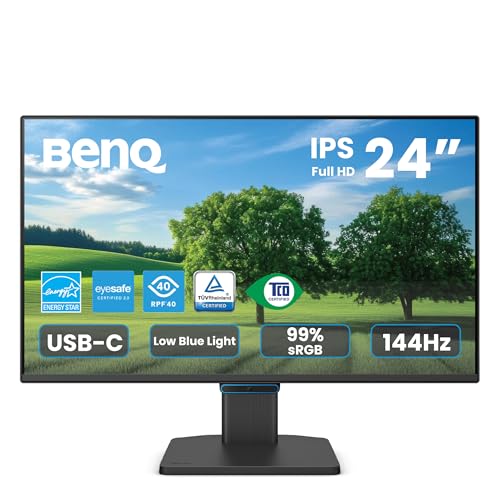
- USB-C one-cable connectivity
- 24-inch IPS with eye-care features
- 144Hz for smoother scrolling
Best For: Programmers who want a compact USB-C monitor for everyday coding
Ultrawide Productivity Pick
Sceptre 34" Curved WQHD Monitor

- 34-inch 3440 x 1440 ultrawide
- 21:9 layout for more workspace
- 99% sRGB with DisplayPort and HDMI
Best For: Developers who want a wide multitasking layout for coding
Balanced 1440p Workhorse
ViewSonic VS2725-2K 27" Monitor

- 27-inch QHD IPS screen
- 100Hz with frameless design
- Flicker-free and blue light filter
Best For: Programmers who want a clean 27-inch QHD monitor for daily work
Ultrawide All-Day Comfort Pick

- 34" 3440 x 1440 ultrawide display
- ComfortView Plus reduces blue light by up to 35%
- USB-C with up to 65W power delivery
Best For: developers who want an ultrawide screen with USB-C convenience and eye comfort
Budget Ergonomic Starter
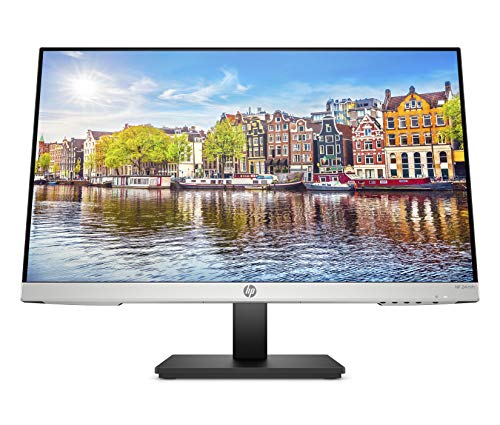
- 23.8" IPS panel with 178° viewing angles
- Height and tilt adjustments for comfort
- HDMI, DisplayPort, and VGA connectivity
Best For: programmers who want an affordable, compact IPS monitor with ergonomic adjustment
Multitasking Workspace Pick
Samsung 34" ViewFinity Ultra-WQHD

- 34" 3440 x 1440 Ultra-WQHD ultrawide
- PBP and PIP support two-source workflows
- Eye Saver Mode and Flicker Free for comfort
Best For: programmers who multitask heavily and want split-screen tools on one ultrawide display
Best for Smooth Everyday Use

- 144Hz FHD panel with 1ms MPRT
- Fully adjustable stand for ergonomic setup
- TÜV-certified eye comfort and speakers
Best For: Programmers wanting a compact, adjustable monitor
Best for Multitasking
LG 34WR55QK-B UltraWide Monitor

- 3440 x 1440 UltraWide display for more workspace
- USB-C with up to 65W power delivery
- PbP and OnScreen Control for multitasking
Best For: Programmers who need wide-screen multitasking
Best Budget Pick
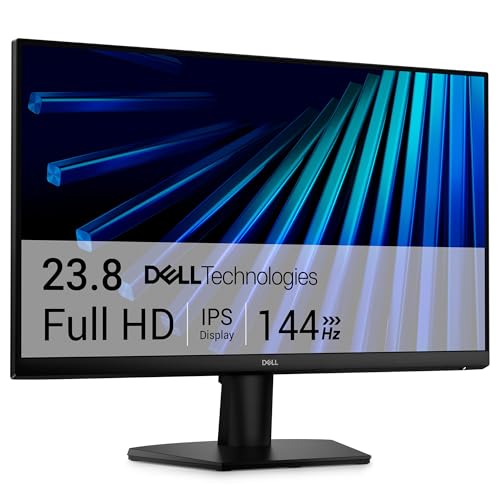
- IPS panel with wide 178°/178° viewing angles
- 144Hz refresh rate with 1ms MPRT
- TÜV Rheinland 3-star eye comfort
Best For: Budget-conscious programmers who want a simple IPS display
Professional Color Accuracy – ASUS ProArt PA278QV 27" QHD Monitor
If you’re choosing a computer monitor for programmers and also want dependable color accuracy for design or media work, the ASUS ProArt PA278QV is a strong all-around pick. Its 27-inch 1440p IPS panel gives you more room for code, docs, and side-by-side windows, while the calibrated color and ergonomic stand make long work sessions easier.
Best For: Developers who also want accurate colors, a roomy 1440p workspace, and flexible ergonomics.
Pros:
- 27-inch 2560 x 1440 IPS display gives extra space for code and multitasking.
- Calman Verified with Delta E < 2 and 100% sRGB / Rec. 709 coverage.
- Fully adjustable stand with height, tilt, swivel, and pivot support.
- Includes HDMI, DisplayPort, Mini DP, DVI-D, and a 4-port USB hub.
Cons:
- 75Hz refresh rate is fine for work, but not as smooth as higher-refresh models.
- Not the best fit if you want a budget-first programming monitor.
This monitor stands out if your programming setup also touches creative work, because it combines a sharp QHD workspace with careful factory tuning and broad connectivity. It is a polished, comfort-focused desk option for users who spend hours in front of the screen.
USB-C Office Value – BenQ GW2490C 24" 144Hz IPS Monitor
For a computer monitor for programmers who want a simple, comfortable desktop setup, the BenQ GW2490C keeps things practical. The 24-inch IPS panel, USB-C connection, and eye-care features make it a solid choice for coding, study, and everyday office work without adding extra clutter.
Best For: Programmers and home-office users who want USB-C convenience and eye-comfort features in a compact screen.
Pros:
- USB-C one-cable connection helps reduce desk clutter.
- 24-inch IPS display with 178-degree viewing angles for steady visuals.
- 144Hz refresh rate supports smoother scrolling and motion than standard 60Hz screens.
- Flicker-free, low blue light, and Visual Optimizer features support long sessions.
Cons:
- 1080p resolution is less spacious than 1440p options for heavy multitasking.
- Single USB port limits expansion compared with more feature-rich monitors.
This is a practical pick if you value comfort, clean cable management, and reliable day-to-day performance more than maximum screen space. It fits well in smaller workspaces and is especially appealing for laptop-based coding setups.
Ultrawide Productivity Pick – Sceptre 34" Curved WQHD Monitor
If you want a computer monitor for programmers with a lot of horizontal workspace, the Sceptre 34-inch curved ultrawide is built for multitasking. The 3440 x 1440 resolution and 21:9 aspect ratio make it easier to keep code, terminals, and reference material visible at the same time.
Best For: Developers who prefer an ultrawide layout for side-by-side windows and a wider coding workspace.
Pros:
- 34-inch 3440 x 1440 ultrawide display gives about 30% more screen space than a standard monitor.
- Curved 21:9 design helps widen your working area for multitasking.
- 99% sRGB support is useful for work that needs solid color coverage.
- Includes DisplayPort and HDMI connections, plus built-in speakers.
Cons:
- VA panel and 1ms MPRT prioritize speed over the more consistent viewing of IPS models.
- Large footprint may be too wide for small desks.
This monitor makes sense when productivity matters more than a compact size, especially if you like to keep multiple windows open all day. It is a strong choice for developers who want an expansive workspace without moving to a dual-monitor setup.
Balanced 1440p Workhorse – ViewSonic VS2725-2K 27" Monitor
The ViewSonic VS2725-2K is a straightforward computer monitor for programmers who want a clear 27-inch 1440p workspace without unnecessary extras. Its IPS panel, frameless design, and 100Hz refresh rate make it comfortable for coding, document work, and daily multitasking.
Best For: Programmers who want a clean 27-inch QHD monitor with strong value and easy multi-monitor pairing.
Pros:
- 27-inch 2560 x 1440 IPS panel gives a practical amount of screen real estate.
- 100Hz refresh rate feels smoother than standard office monitors.
- Frameless design and DisplayPort-out help with seamless multi-monitor setups.
- Flicker-free and blue light filter features support longer work sessions.
Cons:
- Brightness is 250 nits, which is modest for very bright rooms.
- Not as connectivity-rich as monitors with built-in USB hubs or USB-C.
This model hits a useful middle ground for programmers who want sharp text, better-than-basic refresh, and dependable comfort features. It is especially appealing if you plan to build a dual-monitor workstation or simply want a clean, no-fuss QHD screen.
Ultrawide All-Day Comfort Pick – Dell 34" USB-C Curved Monitor
If you want a computer monitor for programmers that gives you more code, more context, and fewer window swaps, the Dell 34 S3425DW is built around that workflow. Its 21:9 3440 x 1440 panel, USB-C single-cable connection, and 120Hz refresh rate make it a strong pick for long desk sessions where comfort and clarity matter.
Best For: Developers who want an ultrawide screen with USB-C convenience and strong eye comfort features.
Pros:
- 34-inch ultrawide 3440 x 1440 resolution gives plenty of room for side-by-side code, docs, and tools.
- Improved ComfortView Plus reduces harmful blue light emissions by up to 35% without sacrificing color accuracy.
- USB-C connectivity with up to 65W power delivery helps keep the desk clean with fewer cables.
- 99% sRGB and 95% DCI-P3 coverage provide vivid, true-to-life color for mixed work.
Cons:
- VA panel choice prioritizes contrast over the wider viewing angles of IPS models.
- Bulky 34-inch ultrawide size may be more monitor than a small desk can comfortably handle.
- Built-in speakers are included, but audio is usually secondary for programming use.
This Dell makes a lot of sense if you spend all day in IDEs, terminals, and browser tabs and want one large workspace instead of a dual-monitor setup. The mix of ultrawide real estate, eye comfort tuning, and USB-C dock-like simplicity makes it especially practical for productivity-focused programmers.
Budget Ergonomic Starter – HP 24mh 23.8" IPS Monitor
For a straightforward computer monitor for programmers, the HP 24mh focuses on the essentials: a sharp-enough 23.8-inch IPS panel, ergonomic adjustments, and a compact footprint that leaves room for a laptop, notebook, or docking setup. It is a practical choice if you want a reliable everyday coding screen without paying for ultrawide extras.
Best For: Programmers who want an affordable, compact IPS monitor with ergonomic adjustment.
Pros:
- IPS technology and 178° viewing angles help keep text and colors consistent from different positions.
- Height and tilt adjustment make it easier to dial in a comfortable coding posture.
- Micro-edge bezels work well for multi-monitor setups or a cleaner desk layout.
- HDMI, DisplayPort, and VGA inputs provide flexible connectivity for older and newer systems.
Cons:
- 1920 x 1080 resolution is modest if you prefer more vertical workspace for code.
- 75Hz refresh rate is fine for productivity, but not a standout feature.
- Built-in speakers are convenient, though not the main reason to buy this display.
The HP 24mh is best viewed as a simple, ergonomic productivity monitor rather than an expansive coding canvas. If you value comfort, desk space, and IPS clarity more than resolution size, it fits the programmer workflow well.
Multitasking Workspace Pick – Samsung 34" ViewFinity Ultra-WQHD
If your coding setup depends on side-by-side windows, this Samsung 34-inch ultrawide is designed for exactly that kind of workflow. The 3440 x 1440 Ultra-WQHD resolution, 21:9 aspect ratio, and PBP/PIP support make it a strong computer monitor for programmers who want to keep code, documentation, and reference material visible at the same time.
Best For: Programmers who multitask heavily and want split-screen tools on one ultrawide display.
Pros:
- 34-inch 3440 x 1440 Ultra-WQHD panel gives plenty of horizontal space for coding and multitasking.
- PBP and PIP let you work with two sources at once or keep a second task visible.
- Eye Saver Mode, Flicker Free, and ambient light sensor help support longer sessions.
- 100Hz refresh rate and FreeSync add smooth motion for mixed work and media use.
Cons:
- 72% color gamut is less color-focused than some other productivity displays.
- LCD panel and 5ms response time are solid, but not premium-tier specs.
- Large ultrawide format may require more desk width than a compact setup allows.
For programmers who live in split panes, terminal stacks, and reference tabs, this Samsung offers a useful balance of screen space and eye comfort features. The PBP/PIP tools are especially helpful when you want one display to act like a lightweight dual-monitor setup.
Best for Smooth Everyday Use – Dell 24 Plus Monitor S2425HSM
If you want a computer monitor for programmers that also handles light gaming and general desktop work well, this 23.8-inch Dell keeps things simple and practical. The Full HD panel, 144Hz refresh rate, and height, tilt, pivot, and swivel adjustments make it easy to set up for long coding sessions without feeling overly specialized.
Best For: Programmers who want a flexible 24-inch monitor with smooth motion and built-in speakers.
Pros:
- 144Hz refresh rate and 1ms MPRT for smooth on-screen motion
- Height, tilt, pivot, and swivel adjustments for ergonomic positioning
- 4-star TÜV-certified eye comfort with reduced blue light
- Built-in dual 3W speakers and HDMI connectivity
Cons:
- FHD resolution is less spacious than higher-resolution coding monitors
- 24-inch size may feel small if you rely on many windows at once
Overall, this Dell is a good pick if you value comfort, flexible positioning, and a smooth display in a compact footprint. It is a balanced choice rather than a maximized productivity screen.
Best for Multitasking – LG 34WR55QK-B UltraWide Monitor
For a computer monitor for programmers, this 34-inch LG UltraWide is designed around workspace efficiency. The 3440 x 1440 21:9 panel gives you room for multiple windows on one screen, while USB-C with up to 65W power delivery makes it especially convenient for laptop-based desks.
Best For: Programmers who want a wide desktop for side-by-side windows and a cleaner single-cable setup.
Pros:
- 34-inch 21:9 WQHD display provides lots of horizontal workspace
- USB-C with up to 65W power delivery simplifies laptop connectivity
- OnScreen Control and Picture-by-Picture support multitasking
- Reader Mode and adjustable height/tilt help with long work sessions
Cons:
- VA panel and 5ms response time are less ideal for fast-paced motion than gaming-focused displays
- Large curved design needs more desk space than a standard 24-inch monitor
This LG stands out if your coding workflow depends on extra screen width and frequent window splitting. It is a strong productivity-first option for programmers who want a single monitor to replace a dual-screen setup.
Best Budget Pick – Dell 24 Monitor SE2426H
If you need a straightforward computer monitor for programmers, this 24-inch Dell focuses on the essentials. Its IPS panel offers wide viewing angles and consistent color, while the 144Hz refresh rate and thin bezels make it a clean, comfortable monitor for everyday coding and desktop use.
Best For: Programmers looking for an affordable 24-inch IPS monitor with reliable viewing comfort.
Pros:
- IPS technology with 178°/178° viewing angles for consistent visibility
- 144Hz refresh rate and 1ms MPRT for smooth motion
- TÜV Rheinland 3-star eye comfort certification for reduced blue light
- Thin bezels help maximize screen area
Cons:
- 1080p resolution may feel limiting for dense code or many open windows
- Tilt-only stand offers less adjustability than premium alternatives
- 72% color gamut is more basic than higher-end displays
This Dell is a sensible pick if you want a simple, comfortable screen without extra complexity. It is best when you care more about dependable everyday use than high-end productivity features.
How We Picked the Best Computer Monitor for Programmers
We prioritized text clarity, usable screen size, refresh rate, eye-comfort features, and flexibility for desk setups. For a Computer Monitor for Programmers, resolution and ergonomics matter more than flashy gaming extras, so we favored panels that support readable code, clean scaling, and productive multitasking.
Quick Comparison
In simple terms: 27-inch QHD monitors are the safest all-around choice for most developers; 34-inch ultrawides are best if you keep multiple windows open side by side; and 24-inch 1080p models make sense when budget or desk space is limited. If you work in graphics-heavy development or want accurate colors for UI work, a more color-focused display can be worth it.
Key Buying Factors for a Computer Monitor for Programmers
Resolution and Text Sharpness
Code looks noticeably better on QHD (2560 x 1440) than on standard 1080p at larger sizes. Ultrawide 3440 x 1440 displays are excellent for splitting editors, terminals, and browsers without feeling cramped.
Screen Size and Aspect Ratio
Most programmers will be happiest with either a 27-inch 16:9 display or a 34-inch ultrawide. Smaller 24-inch models can still work well, especially if you sit close to the screen and want a compact footprint.
Panel Type and Comfort
IPS panels are usually preferred for consistent viewing angles and clearer-looking text. VA ultrawides can be a strong choice too, especially if you want contrast and immersive workspace width. Eye-care features such as flicker-free backlighting and low blue light modes can help during long sessions.
Stand Adjustability and Ports
Height, tilt, swivel, and pivot adjustment make a bigger difference than many buyers expect. USB-C can simplify laptop docking, while multiple HDMI or DisplayPort inputs are useful if you switch between work machines.
Who Should Buy Which Computer Monitor for Programmers?
If you want the most balanced setup, choose a 27-inch QHD monitor. If your day is built around side-by-side windows, logs, and documentation, go ultrawide. If you need a low-cost secondary screen or a compact home-office display, a 24-inch FHD model is the practical pick. Developers who care about color accuracy for design work should lean toward the more color-focused options in the lineup.