A well-treated room makes recording, mixing, streaming, and practicing easier by reducing distracting reflections and excessive reverberation. The best acoustic panels for home studio use depend on your room size, wall coverage needs, placement, and how much visual design matters.
This roundup compares ten options across foam, fiberglass, felt, decorative, thick, and self-adhesive designs so you can choose practical sound absorption without overspending or expecting true soundproofing.
Best 10 Acoustic Panels for Home Studio Picks for 2026
Best All-Around Foam Coverage
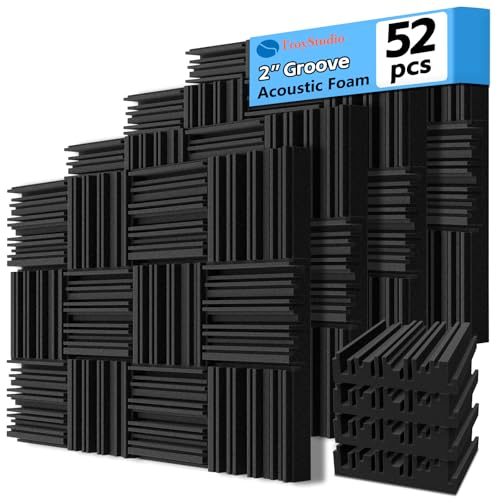
- 52 sq. ft. of coverage from 52 panels
- 2-inch high-density foam with NRC 0.8
- Grooved design for treatment and decoration
Best For: Large home studios, vocal booths, and streaming rooms
Best Peel-and-Stick Option

- Eight panels cover about 61.1 sq. ft.
- NRC 0.9 polyester construction
- Peel-and-stick installation for smooth surfaces
Best For: Quick studio, office, or home-theater wall treatment
Best Removable Fiberglass Treatment

- 2-inch thickness for substantial absorption
- Removable brackets, template, and nails included
- Polyester-wrapped white fiberglass construction
Best For: Studios needing thicker, removable wall panels
Best Budget Coverage

- 120 one-inch foam panels per pack
- 600 adhesive pieces included
- Wedge grooves target echo and flutter echoes
Best For: DIY studio treatment and targeted reflection control
Best for Echo Control

- Two-inch foam targets echo and reverberation
- 24 panels cover 24 square feet
- Flame-retardant polyurethane construction
Best For: Recording, podcasting, gaming, and home theater rooms
Best Value for Quick Installation
Self-Adhesive Geometric Panels

- 0.95 claimed sound absorption coefficient
- 18 peel-and-stick 12-inch panels
- Decorative polyester design
Best For: Tool-free home studio and podcast installations
Best for Thicker Foam Treatment
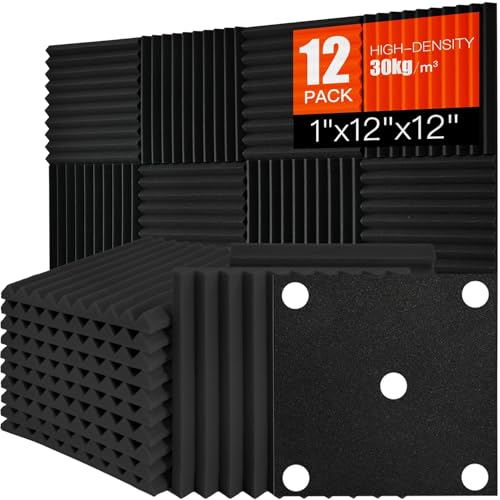
- 1-inch polyurethane foam construction
- 12 square feet of coverage
- Includes nano double-sided tape
Best For: Recording, podcasting, streaming, and office spaces
Best for Coverage and Style

- 20-piece pack covers about 20 square feet
- Peel-and-stick installation
- Brick-pattern polyester surface
Best For: Decorative studio, office, and home theater walls
Best All-Around Foam Coverage – Thick Groove Acoustic Panels
For broad acoustic treatment in a home studio, these TroyStudio acoustic panels for home studio use combine 2-inch thickness with 52 square feet of coverage. Their grooved, open-cell polyurethane design is intended to reduce echo, reverb, standing waves, and reflected sound while adding a decorative wall or ceiling texture.
Best For: Recording studios, vocal booths, streaming rooms, gaming spaces, and home theaters needing extensive foam coverage.
Pros:
- 52 panels cover 52 square feet.
- 2-inch, high-density polyurethane foam with an NRC of 0.8.
- Groove pattern adds visual texture and helps with sound absorption.
- Can be cut and installed with external adhesive or small screws.
Cons:
- Adhesive is sold separately.
- Foam treatment addresses reflections and echo rather than providing complete sound isolation.
This is a practical choice when you want substantial coverage and flexible installation. Its flame-retardant, odorless construction is an added benefit for a frequently used studio space.
Best Peel-and-Stick Option – Large TONOR Acoustic Panels
These TONOR acoustic panels for home studio setups are designed for quick installation and broad wall coverage. Each large polyester panel has a peel-and-stick backing, while the striped surface works as decorative wall art in studios, offices, bedrooms, and home theaters.
Best For: Renters or beginners who want large, easy-to-install panels for reducing echo on smooth surfaces.
Pros:
- Eight large panels cover approximately 61.1 square feet.
- Self-adhesive backing supports peel-and-stick installation without extra tape.
- Dense polyester construction is rated at NRC 0.9.
- Odorless materials and a two-year manufacturer warranty.
Cons:
- Adhesive installation is intended for smooth surfaces.
- At 0.35 inch thick, the panels are thinner than many dedicated two-inch studio panels.
The large format makes coverage efficient, and the built-in adhesive keeps setup simple. Choose them when convenience and a finished decorative appearance matter as much as acoustic treatment.
Best Removable Fiberglass Treatment – 2-Inch Studio Panels
For more substantial wall treatment, these 2-inch fiberglass acoustic panels for home studio use are designed to absorb reverberation, noise, and echo. They include mounting brackets, a metal template, and nails, so the panels can be hung securely and removed later.
Best For: Home studios, recording rooms, gaming rooms, meeting spaces, and other areas needing thicker removable panels.
Pros:
- Two-inch thickness is intended to provide stronger absorption than thinner one-inch polyester panels.
- Removable mounting system includes brackets, template, and nails.
- High-density polyester fabric wraps a white fiberglass inner panel.
- Includes a two-year manufacturer warranty and installation support.
Cons:
- The supplied details contain inconsistent size and coverage information.
- Only four panels are included, so larger rooms may require additional sets.
- No STC rating is specified.
This set is worth considering when thickness and secure, removable mounting are priorities. Verify the exact dimensions and coverage before ordering, since the listed specifications do not fully agree.
Best Budget Coverage – 120-Pack Wedge Foam Panels
This Focusound set offers a high panel count for targeted acoustic treatment in a home studio. The one-inch wedge foam panels are intended to reduce unwanted echo, reverb, flutter echoes, and waves, and the included 600 pieces of double-sided adhesive simplify installation.
Best For: Home studios, vocal booths, control rooms, and offices that need flexible, smaller-area treatment with included mounting supplies.
Pros:
- Pack includes 120 acoustic foam panels.
- Triangular groove structure targets echoes, reverb, and flutter echoes.
- Includes 600 pieces of double-sided adhesive.
- Foam is described as fire-resistant and air-permeable.
Cons:
- One-inch thickness offers less depth than the two-inch options in this roundup.
- The supplied dimensional details appear inconsistent with the stated 12-by-12-inch panel format.
- Foam treatment is intended for sound absorption, not complete soundproofing.
This is a convenient starting point for treating reflection points or expanding coverage gradually. Its included adhesive and large count make it especially practical for DIY layouts, but confirm the actual panel dimensions before planning a full-room installation.
Best Overall – Arcadian Vortex Wall Panels
For shoppers comparing acoustic panels for home studio use, the Soon Global Arcadian Vortex combines sound absorption with a more finished wall-panel look. Its grooved polyester-fiber construction is designed to reduce echo while the printed linear texture helps create a continuous visual surface.
Best For: Home studios, recording spaces, home theaters, and workspaces where acoustic treatment and décor both matter.
Pros:
- High-density polyester fiber helps absorb and diffuse sound.
- Large 23.62-by-23.62-inch panels cover broad wall areas.
- Includes 30 transparent adhesive squares for tool-free installation.
- Lightweight, resilient material is designed to maintain its shape.
Cons:
- The six-pack covers 23.25 square feet, so larger rooms may need multiple packs.
- No manufacturer warranty is listed.
The Arcadian Vortex is a strong choice when you want practical echo control without the utilitarian appearance of traditional foam. Its peel-and-stick setup is especially convenient for renters or quick room updates, provided the included adhesive suits your wall surface.
Best for Echo Control – 2-Inch Pyramid Acoustic Foam
This 24-pack of 2-inch pyramid foam is a straightforward option for acoustic panels for home studio setups. The high-density polyurethane foam uses a pyramid profile to increase surface area for sound absorption and diffusion, helping reduce echo and reverberation.
Best For: Recording studios, podcast rooms, vocal booths, gaming rooms, home theaters, and other spaces needing broad foam coverage.
Pros:
- Two-inch thickness and pyramid shaping support echo absorption and diffusion.
- Twenty-four panels provide 24 square feet of coverage.
- Flame-retardant foam is designed with safety in mind.
- Lightweight panels can be installed on walls or ceilings.
Cons:
- Construction adhesive or nano double-sided tape is required and not included.
- Foam is intended for sound absorption, not full soundproofing or external noise isolation.
- The pyramid appearance may be less subtle than flat felt or decorative panels.
Choose this pack if your main goal is controlling reflections across a studio or podcast room rather than disguising the treatment as wall décor. Plan the mounting materials separately, and remember that absorption will not block outside noise.
Best Felt Option – TroyStudio Thickened Felt Tiles
The TroyStudio felt tiles offer a flexible alternative for acoustic panels for home studio applications. Each 16-by-12-inch polyester-fiber board is 0.5 inches thick, and the felt surface is designed to absorb unwanted reverberation while adding a softer decorative finish than conventional acoustic foam.
Best For: Small home studios, vocal booths, practice rooms, offices, bedrooms, and installations where cuttable felt panels are useful.
Pros:
- High-density polyester fiber is rated with an NRC of 0.97.
- Panels can be cut and installed with adhesive, tape, or small screws.
- 100% polyester construction is described as non-toxic, odorless, and formaldehyde-free.
- Felt keeps its color and can also provide some collision cushioning.
Cons:
- The six-pack covers only 8 square feet.
- External mounting materials are required and are not supplied.
- At 0.5 inches thick, these tiles may offer less low-frequency treatment than thicker panels.
This pack suits targeted treatment, such as first-reflection areas, doors, or smaller recording spaces. Its cuttable felt construction makes it easier to customize than rigid decorative panels, but covering a larger room will require multiple packs.
Best Value for Quick Installation – Self-Adhesive Geometric Panels
For shoppers comparing acoustic panels for home studio use, this 18-piece set combines claimed 0.95 sound absorption with a peel-and-stick installation. The 12-by-12-inch, 0.4-inch-thick polyester panels can help reduce echo and standing waves while adding a geometric wall accent.
Best For: Home studios, podcast rooms, gaming spaces, offices, and home theaters where tool-free installation and decorative styling matter.
Pros:
- Self-adhesive backing installs without separate glue or tools.
- 18 panels offer more pieces than a typical 12-pack.
- Beveled, multi-line surfaces support pinwheel or multi-ring layouts.
- Polyester construction is odorless and B1 flame retardant.
Cons:
- At 0.4 inches thick, these panels are relatively slim.
- The listed size covers about 18 square feet, so larger rooms may need multiple packs.
This is a practical pick when easy mounting and visual flexibility are priorities. It is intended for sound absorption and noise reduction, not structural soundproofing between rooms.
Best for Thicker Foam Treatment – 1-Inch Wedge Acoustic Panels
These 1-inch polyurethane wedge panels are a versatile option for acoustic panels for home studio setups, especially where controlling reflections and echo is the main goal. The 12-panel pack covers 12 square feet and includes nano double-sided tape for installation.
Best For: Recording booths, podcast spaces, streaming rooms, home offices, gaming rooms, and small media areas needing thicker foam treatment.
Pros:
- One-inch thickness provides a more substantial treatment profile than the slimmer panel options.
- Wedge shape is designed to manage reflections and reverberation.
- Suitable for recording, streaming, remote work, gaming, and home theater spaces.
- Includes nano double-sided tape and carries a two-year manufacturer warranty.
Cons:
- Only 12 square feet of coverage may be limited for larger rooms.
- Panels arrive vacuum packed and need 24–48 hours to fully expand.
- Installation may require construction adhesive or tape, depending on the surface.
Choose this set when thickness and broad use-case flexibility outweigh maximum coverage per pack. As with other foam treatments, it improves room acoustics rather than providing complete structural soundproofing.
Best for Coverage and Style – Self-Adhesive Brick Panels
If you want acoustic panels for home studio walls that are easy to mount and visually distinctive, this 20-piece brick-pattern set is worth considering. Each roughly 12-by-12-inch polyester panel has peel-off adhesive backing, and the pack covers about 20 square feet.
Best For: Home studios, recording spaces, control rooms, offices, and home theaters that need broader wall coverage with a decorative finish.
Pros:
- 20 panels provide approximately 20 square feet of coverage.
- Self-adhesive backing requires no extra tape or spray adhesive.
- Brick design combines sound treatment with wall decoration.
- High-density polyester construction is described as odorless and non-toxic.
Cons:
- At about 0.36–0.4 inches thick, the panels are thinner than the 1-inch foam option.
- Adhesive placement is less forgiving once the panels are applied.
- The claimed NRC above 0.95 is a product claim and may vary with room layout and installation.
This set stands out for combining the largest stated coverage area in the roundup with a brick-style appearance. It is a strong fit for users who want simple installation and a finished wall look while reducing room echo.
How We Picked the Best Acoustic Panels for Home Studio Use
We compared these panels by material, thickness, stated dimensions, pack coverage, installation method, and intended use. We also considered whether each option is better suited to first-reflection control, broad wall coverage, voice recording, music production, streaming, or general room treatment.
Because acoustic treatment and soundproofing are different, the focus here is on absorption and echo reduction inside a room. Foam and felt can improve clarity, while thicker fiberglass-style panels typically offer more substantial broadband absorption when properly positioned.
Quick Comparison
| Panel type | Best for | Main advantage | Watch for |
|---|---|---|---|
| Acoustic foam tiles | Budget room treatment | Affordable and easy to arrange | Usually requires broad coverage for noticeable results |
| Thick foam | Reducing reflections and flutter echo | More absorption than thin tiles | Still not true soundproofing |
| Fiberglass panels | Recording and mixing rooms | Strong broadband absorption potential | May need hardware or careful mounting |
| Felt and decorative panels | Visible living spaces | Better aesthetic integration | Performance varies by thickness and construction |
| Self-adhesive panels | Fast installation | Minimal tools and hardware | Adhesive can limit repositioning or damage walls |
Key Buying Factors for Acoustic Panels for Home Studio
Thickness and Material
Thicker panels generally absorb more low-mid and midrange energy than very thin tiles, although placement and total coverage matter just as much. Wedge and pyramid foam panels are useful for reducing high-frequency reflections, while porous fiberglass or mineral-wool-style panels are often more effective across a broader frequency range.
Coverage and Placement
Count the usable wall area before buying. Place panels at the first-reflection points beside the listening position, then consider the wall behind the monitors, the wall behind you, and ceiling reflections. A few isolated tiles may reduce some echo but can leave the room acoustically uneven.
Installation
Self-adhesive products are convenient for renters or quick setups, but check the mounting surface and removal risk first. Larger panels may need picture-hanging hardware, spacers, or dedicated mounting brackets. Leaving an air gap behind porous panels can improve absorption, especially at lower frequencies.
Appearance and Safety
For a bedroom or shared office, decorative felt or fabric-style panels may be easier to live with than exposed foam. Confirm the manufacturer’s material and fire-safety information, and avoid blocking vents, outlets, doors, or equipment access.
Who Should Buy Which Acoustic Panels for Home Studio?
- Budget beginners: Choose smaller foam packs when you need inexpensive coverage for voice recording, streaming, or echo control.
- Musicians and producers: Favor thicker foam or fiberglass panels, arranged at first-reflection points and supplemented with bass management where needed.
- Renters: Look for self-adhesive or lightweight panels, but use removable mounting solutions if wall protection is important.
- Design-conscious buyers: Select felt or decorative acoustic wall panels that blend with the room instead of treating appearance as an afterthought.
- Large or lively rooms: Prioritize the highest total coverage and thicker porous panels you can install securely rather than buying only a small number of decorative tiles.