Looping can turn a single idea into a full arrangement, whether you’re practicing, writing songs, or building live performances. The right pedal or tabletop unit should make recording simple, overdubbing reliable, and timing easy to control.
In this roundup of the best loop stations for recording, we focus on real-world usability, track capacity, memory, connectivity, and workflow so you can match the device to your playing style.
Best 10 Loop Stations for Recording Picks for 2026
Flagship Dual-Track Looper

- Dual-track looping with deep control options
- 13 hours of stereo recording and 99 memories
- 16 drum kits, 57 rhythms, and MIDI/USB support
Best For: players who want a premium looper with extensive editing and performance control
Budget-Friendly Simple Looper

- 9 loops with 40 minutes total recording time
- 48K/24-bit uncompressed audio with analog-dry-through
- Built-in tuner plus USB WAV import/export
Best For: guitarists and bass players who want an easy, compact looper
Compact Pro Bundle
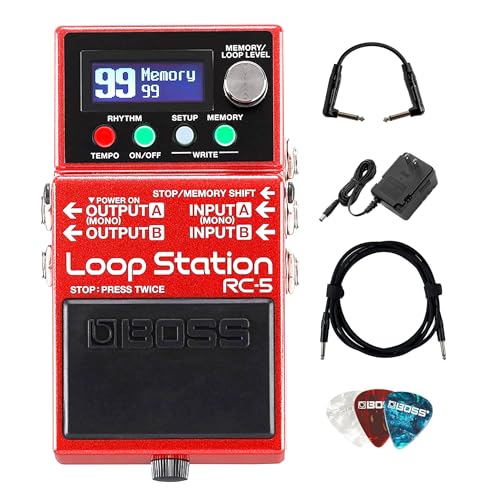
- Compact looper with 32-bit sound processing
- 13 hours of stereo recording and 99 memories
- Bundle includes power, cables, and picks
Best For: players who want a compact BOSS looper with strong sound quality and extras
Compact Entry Looper
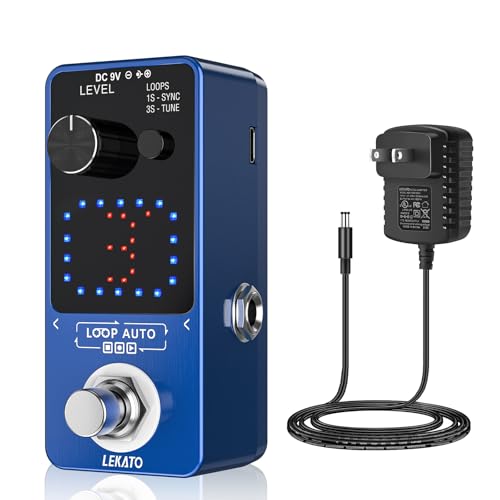
- 3 loops with up to 18 minutes total recording
- Sync recording plus built-in tuner
- USB import/export and auto-save when powered off
Best For: beginners or minimal setups that need a simple looper with recording and sync features
Performance-Ready Multi-Track Looper
BOSS RC-300 3-Track Loop Station

- Three stereo tracks with dedicated footswitches
- Dedicated faders and expression pedal control
- Up to 3 hours of recording and 99 memories
Best For: Players who want detailed live control and longer looping sessions
Compact Beginner Looper
BOSS RC-1 Compact Loop Station

- Easy record, playback, overdub, undo/redo operation
- 12 minutes of stereo recording time
- Compact stompbox with battery power support
Best For: Beginners and multi-instrument players who want a simple, portable looper
Advanced Tabletop Looper

- Five simultaneous stereo phrase tracks
- Two XLR mic inputs with phantom power
- 99 memories with extensive effects and routing
Best For: Tabletop performers who need advanced looping, recording, and routing
Dual-Track Stereo Looper
BOSS RC-30 Loop Station Twin Guitar Pedal

- Two synchronized stereo tracks
- Up to 3 hours stereo recording time
- 99 phrase memories with built-in effects
Best For: Guitarists needing a stereo pedal looper with hands-on track control
Compact Tabletop Looping Hub
BOSS RC-202 Loop Station for Hands-On Performance

- Two stereo phrase tracks with dedicated controls
- Four Input FX and four Track FX available
- 64 phrase memories with USB/MIDI connectivity
Best For: Club performers, electronic musicians, and beatboxers wanting a tabletop looper
Simple Starter Looper Bundle

- 24-segment LED loop indicator
- Up to 12 minutes stereo recording
- Includes power adapter, cable, patch cable, and picks
Best For: Beginners wanting an easy stereo looper with bundled accessories
Flagship Dual-Track Looper – BOSS RC-500 Loop Station
If you want loop stations for recording that feel fully featured on stage or in rehearsal, the BOSS RC-500 is built for serious use. It combines dual-track looping, long recording time, onboard rhythms, and deep control options in a compact pedal format.
Best For: Players who want a premium looper with extensive editing, memory storage, and performance control.
Pros:
- 32-bit AD/DA and 32-bit floating-point processing for class-leading sound quality
- Up to 13 hours of stereo recording time with 99 phrase memories
- 16 drum kits and 57 preset rhythms with A/B variations
- Supports external footswitches, expression pedal control, MIDI I/O, and USB WAV management
Cons:
- More complex than a basic looper if you only need simple overdubs
- Requires space for a more feature-rich pedalboard setup
The RC-500 stands out when you need a recording-focused looper with professional control and flexible performance tools. It is especially strong for players who want to build, save, and manage loops with fewer limitations.
Budget-Friendly Simple Looper – LEKATO 9-Loop Pedal
For musicians comparing loop stations for recording on a budget, this LEKATO pedal keeps the workflow straightforward. It offers 9 loops, up to 40 minutes total recording time, and simple foot-controlled functions with a built-in tuner.
Best For: Guitarists and bass players who want an easy, compact looper with basic recording features.
Pros:
- 9 loops with up to 40 minutes total recording time
- 48K/24-bit uncompressed audio with analog-dry-through design
- Built-in high-sensitivity tuner
- USB import/export for WAV loop files
Cons:
- Less advanced than premium loop stations for recording
- No onboard drum rhythms listed in the supplied notes
- Shorter single-loop time than higher-end alternatives
This model makes sense if you want a simple, compact looper that stays focused on recording and overdubbing without a lot of extra complexity. It is a practical choice for players who value ease of use and portability.
Compact Pro Bundle – Boss RC-5 Loop Station
The Boss RC-5 is a compact option for loop stations for recording, but it still brings the core features serious players expect. You get 32-bit processing, long stereo recording time, a multi-color LCD, and a bundle of useful extras to get started right away.
Best For: Players who want a compact BOSS looper with strong sound quality and included accessories.
Pros:
- 32-bit AD/DA and 32-bit floating-point processing
- Up to 13 hours of stereo recording time with 99 phrase memories
- Seven drum kits and 57 preset rhythms with A/B variations
- Bundle includes power adapter, cables, and picks
Cons:
- Single-track design may be limiting for players wanting more complex layering
- Less expansive than the RC-500 for advanced control needs
The RC-5 is a strong pick if you want BOSS quality in a smaller footprint and appreciate getting the accessories in one package. It balances portability, storage, and recording capacity well for many players.
Compact Entry Looper – LEKATO 3-Loop Pedal
If you are shopping loop stations for recording and want a straightforward entry-level pedal, this LEKATO model keeps things simple. It offers 3 loops, up to 18 minutes of total record time, sync recording, and a built-in tuner.
Best For: Beginners or minimal setups that need a simple looper with recording, sync, and tuner features.
Pros:
- 3 loops with up to 18 minutes total record time
- Synchronous recording mode lets you enter recording during playback
- 48K/24-bit uncompressed audio with analog-dry-through design
- USB cable included for import/export and automatic saving when powered off
Cons:
- Limited loop count compared with larger looper pedals
- Shorter total recording time than other models in this roundup
- Fewer performance features than premium loop stations
This pedal is best when you want a compact, no-frills looping tool that covers the basics well. It is especially appealing if sync recording and simple file transfer matter more than advanced features.
Performance-Ready Multi-Track Looper – BOSS RC-300 3-Track Loop Station
If you want loop stations for recording with more hands-on control, the BOSS RC-300 is built for layered performances. It offers three stereo tracks with dedicated footswitches, separate faders for each track, and real-time expression pedal control, making it a strong fit for players who want to build full arrangements on the fly. It also includes up to three hours of internal recording and 99 onboard memories for saving ideas and recalling sets.
Best For: Guitarists, vocalists, and solo performers who want a three-track looper with deep live control and memory storage.
Pros:
- Three stereo tracks with dedicated footswitches and controls
- Dedicated fader per track for clearer live mixing
- Expression pedal support for real-time effects control
- Up to three hours of internal recording with 99 onboard memories
Cons:
- More complex than a simple one-button looper
- Requires external power
- Larger tabletop/pedalboard footprint than compact stompbox loopers
The RC-300 stands out when you need a loop station that can handle longer, more involved recording sessions without sacrificing control. Its three-track layout and built-in memory make it better suited to structured live looping than ultra-basic practice use.
Compact Beginner Looper – BOSS RC-1 Compact Loop Station
The BOSS RC-1 is a straightforward choice if you want loop stations for recording without a steep learning curve. This compact stompbox lets you record, playback, overdub, and undo or redo loops, while the 24-segment LED indicator helps you keep track of the current mode. With 12 minutes of stereo recording time and stereo inputs and outputs, it covers the core looping basics in a portable format.
Best For: Beginners and players who want an easy, compact looper for guitar, bass, or keyboard.
Pros:
- Very user-friendly operation for basic looping
- Record, playback, overdub, undo, and redo functions
- 12 minutes of stereo recording time
- Battery powered with AC adaptor compatibility
Cons:
- Only one main loop track
- Limited recording time compared with larger loopers
- Fewer advanced controls than performance-focused units
For players who mainly need a reliable practice and songwriting looper, the RC-1 keeps things simple. It is a strong entry point if you want core looping features in a small, familiar pedal format.
Advanced Tabletop Looper – BOSS RC-505mkII Loop Station
If you are comparing loop stations for recording and need a more advanced tabletop setup, the BOSS RC-505mkII is built for deep live creation. It features five simultaneous stereo phrase tracks, independent faders, two effects sections, and extensive connectivity, including two XLR mic inputs with phantom power and multiple stereo input/output pairs. With 99 memories and a broad effects library, it is designed for performers who want flexible routing and detailed control.
Best For: Vocalists, beatmakers, and tabletop performers who need multi-track looping with mic inputs and extensive effects control.
Pros:
- Five simultaneous stereo phrase tracks
- 32-bit AD/DA conversion and 32-bit floating-point processing
- Two XLR mic inputs with phantom power plus multiple line I/O options
- 99 memories with customizable controls and settings
Cons:
- Large tabletop unit rather than a compact pedal
- More advanced than what casual users may need
- Likely overkill if you only want a basic looping setup
The RC-505mkII is the most feature-rich option here, especially for performers who build arrangements from vocals or multiple sources. Its five-track layout and broad connectivity make it a serious centerpiece for live looping and recording workflows.
Dual-Track Stereo Looper – BOSS RC-30 Loop Station Twin Guitar Pedal
If you want loop stations for recording with a straightforward pedal layout, the BOSS RC-30 is built for hands-on looping and stereo playback. Its twin synchronized stereo tracks, dedicated volume faders, and onboard effects make it practical for layering parts and shaping loops without a complicated setup.
Best For: Guitarists and performers who want a pedal-based stereo looper with more control over two tracks.
Pros:
- Two synchronized stereo tracks with dedicated volume faders and track-select buttons
- Up to three hours of stereo recording time with 99 onboard memory phrases
- Built-in effects for processing loops
- True stereo I/O plus USB connectivity
Cons:
- Uses a corded power supply rather than battery power
- Footpedal format may be less convenient for tabletop workflows
The RC-30 is a strong fit if you want a reliable looper that balances longer recording capacity with live control. It focuses on practical stereo looping and stored phrases rather than extra interface complexity.
Compact Tabletop Looping Hub – BOSS RC-202 Loop Station for Hands-On Performance
For loop stations for recording in a hands-on tabletop format, the BOSS RC-202 gives you two stereo phrase tracks, flexible inputs, and deep effects control. It is designed for club performers, electronic musicians, and beatboxers who want to build and shape loops directly from the unit.
Best For: Performers who want a compact tabletop looper with strong effects control and external expansion options.
Pros:
- Two simultaneous stereo phrase tracks with dedicated controls and status indicators
- Four Input FX and four Track FX available at the same time
- 64 phrase memories with custom effects and playback settings
- XLR mic input with phantom power, instrument inputs, aux input, USB, and MIDI support
Cons:
- Tabletop design may not suit players who prefer a foot-controlled pedal
- Runs on corded electric power, so it is not a battery-powered option
The RC-202 stands out for users who want more than basic looping and need performance controls, effects, and connectivity in one compact box. It is especially appealing when recording and live manipulation are equally important.
Simple Starter Looper Bundle – Boss RC-1 Loop Station Bundle
If you are comparing loop stations for recording and want a simple entry point, the Boss RC-1 keeps the operation straightforward. It offers stereo in/out, a clear loop indicator, and up to 12 minutes of stereo recording time, making it easy to capture phrases without a steep learning curve.
Best For: Beginners and players who want a simple stereo looper bundle with basic accessories included.
Pros:
- Easy-to-read 24-segment LED loop indicator for Rec/Overdub/Play status
- Up to 12 minutes of stereo recording time
- Stereo inputs and outputs for use with stereo effects, amps, and instruments
- Bundle includes a power adapter, instrument cable, patch cable, and picks
Cons:
- Single-track simplicity means less flexibility than dual-track loopers
- Battery life is about 4.5 hours on a single 9-volt alkaline battery
The RC-1 is a practical choice if you want a no-fuss looper that gets the essentials right. Its bundled accessories and easy operation make it especially approachable for first-time loopers.
How We Picked These Loop Stations for Recording
We prioritized units that are practical for musicians who need dependable recording, clear overdub control, and a workflow that makes sense in home studios and on stage. We also looked at phrase memory, stereo versus mono operation, sync features, foot control, and USB/MIDI support where relevant.
Quick Comparison
If you want the simplest setup, a compact single-button looper is usually best. If you need layered arrangements, multiple tracks, or hands-free performance control, choose a more advanced model. Tabletop units tend to suit singers, producers, and multi-instrumentalists, while floor pedals are often the better fit for guitarists and bassists.
Key Buying Factors for Loop Stations for Recording
Track Count and Memory
More tracks and longer memory make it easier to build complex songs, but they also add cost and setup complexity. Match the feature set to how many parts you actually layer in a typical session.
Sound Quality and Connectivity
Look for stereo I/O, USB audio, and MIDI if you plan to integrate with a DAW or external gear. For basic practice, standard instrument input and output may be enough.
Timing Tools and Ease of Use
Quantize, sync, and dedicated stop/undo controls can make recording cleaner and less stressful. A straightforward interface matters if you plan to use the unit live.
Power and Form Factor
Pedalboard-friendly models are ideal for guitar rigs, while larger tabletop systems are better for hands-on looping and studio-style control.
Who Should Buy Which Loop Stations for Recording?
Beginners should favor simple Loop Stations for Recording with clear controls and a low learning curve. Songwriters and solo performers may prefer models with memory slots and multiple tracks. Advanced users, beatmakers, and live electronic performers will get more from units with MIDI, USB, and expanded control options.
If you want the easiest path, choose the simplest looper that still covers your recording needs. If you need to grow into your setup, step up to a model with more tracks, memory, and connectivity than you think you need today.