If you want fast response, deep contrast, and a picture that makes games pop, OLED is still one of the best display technologies for gaming. The right set can deliver excellent motion clarity, low input lag, and strong HDR performance for both competitive play and cinematic single-player titles.
Below, we’ve narrowed the field to 10 standout options across different sizes, brands, and feature sets so you can find the best fit for your room, console, or PC setup.
Best 10 Oled Televisions for Gaming Picks for 2026
Editor’s Pick
Samsung 65-Inch S90F OLED for Gaming

- 4K 144Hz with VRR for smooth gaming.
- NQ4 AI Gen3 upscales content to 4K.
- AI motion features help reduce blur.
Best For: Gamers who want a large, fast OLED with AI picture processing.
Best All-Rounder
LG 65-Inch C5 OLED evo for Gaming

- 0.1ms response time with up to 144Hz.
- HDMI 2.1, VRR, G-Sync, and FreeSync Premium.
- Brightness Booster helps in bright rooms.
Best For: Gamers who want a versatile OLED for consoles and PC play.
Best for PS5
Sony 48-Inch A90K OLED Gaming TV

- Low input lag as low as 8.5ms.
- HDMI 2.1 with 4K/120, VRR, and ALLM.
- Game Menu simplifies gaming settings.
Best For: PlayStation 5 owners and gamers with smaller rooms.
Best Premium Upgrade
Samsung 55-Inch S90H OLED Gaming TV
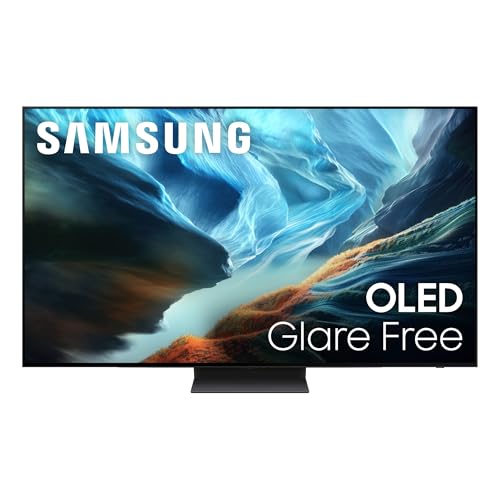
- Motion Xcelerator 165Hz targets smoother play.
- Glare Free screen reduces reflections.
- G-SYNC and FreeSync Premium Pro are supported.
Best For: Gamers who want a premium 55-inch OLED with glare reduction.
Best 48-Inch Value
Samsung S85H 48-Inch OLED Gaming TV

- 120Hz OLED with Motion Xcelerator 120Hz
- G-SYNC and FreeSync Premium support
- NQ4 AI Gen2 processor with 4K AI upscaling
Best For: Mid-size gamers wanting smooth motion and AI processing
Best Big Screen
Samsung 77-Inch S84F OLED for Gaming
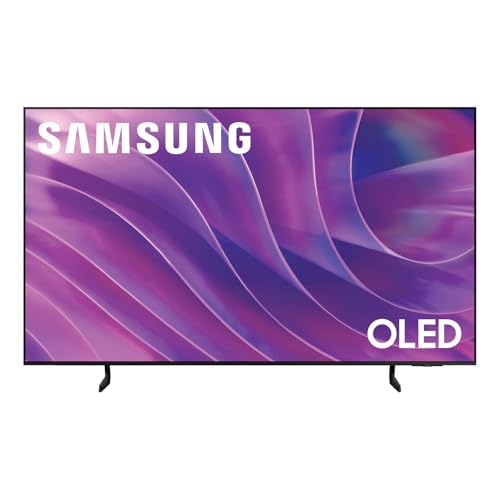
- 77-inch OLED for immersive large-screen play
- Up to 4K 120Hz with Motion Xcelerator 120Hz
- NQ4 AI Gen2 processor with OLED HDR
Best For: Players who want a huge OLED with smooth, responsive motion
Premium 65-inch Gaming OLED
- Glare Free OLED HDR+ reduces reflections.
- 165Hz support with G-SYNC and FreeSync Premium Pro.
- NQ4 AI Gen3 processor upscales content to 4K.
Best For: Large-room gamers who want premium OLED features and a 65-inch screen.
Editor’s Pick – Samsung 65-Inch S90F OLED for Gaming
For shoppers comparing oled televisions for gaming, the Samsung 65-inch S90F stands out with a 144Hz panel, VRR support up to 4K 144Hz, and the NQ4 AI Gen3 processor that helps sharpen and smooth everything you play. It’s built to handle fast action well, while also upscaling lower-resolution content to 4K and boosting brightness and contrast scene by scene.
Best For: Gamers who want a large 65-inch OLED with high refresh rate performance and strong AI upscaling.
Pros:
- 4K 144Hz support with Motion Xcelerator for smoother gameplay.
- NQ4 AI Gen3 processor upscales content using 128 neural networks.
- AI motion handling helps reduce blur and flickering on fast-moving action.
- HDR-like processing and strong brightness/contrast boost overall picture impact.
Cons:
- Only a 2025 model, so newer alternatives may offer different gaming features.
- At 65 inches, it needs a good amount of room.
- Glare handling is not listed as a dedicated feature in the notes.
Overall, this is a strong all-around pick if you want a premium OLED gaming TV that pairs a large screen with fast motion support and aggressive AI processing.
Best All-Rounder – LG 65-Inch C5 OLED evo for Gaming
If you’re shopping oled televisions for gaming and want a balanced mix of speed, picture quality, and room-friendly performance, the LG 65-inch C5 is an easy model to narrow down. It pairs a 0.1ms response time and up to 144Hz refresh rate with HDMI 2.1 inputs, VRR, G-Sync, and FreeSync Premium, while Brightness Booster and Bright Room Ready support help it stay usable in more lighting conditions.
Best For: Gamers who want a versatile OLED with strong motion performance and broad compatibility for consoles and PCs.
Pros:
- 0.1ms response time and up to 144Hz refresh rate.
- HDMI 2.1 with VRR, G-Sync, and FreeSync Premium support.
- Brightness Booster and Bright Room Ready help in well-lit spaces.
- Alpha 9 AI Processor Gen8 and AI Super Upscaling improve picture quality.
Cons:
- Refresh rate is listed as 120Hz in the specs, despite the gaming feature claim of up to 144Hz.
- No dedicated glare-free claim like some rivals.
- It may be more TV than needed for buyers focused only on competitive play.
This C5 feels like a safe, well-rounded OLED choice: fast enough for serious gaming, flexible for mixed use, and backed by LG’s gaming tools and AI processing.
Best for PS5 – Sony 48-Inch A90K OLED Gaming TV
For smaller setups and console-first buyers looking at oled televisions for gaming, the Sony 48-inch A90K is especially appealing. It offers low input lag as low as 8.5ms, HDMI 2.1 gaming features like 4K/120, VRR, and ALLM, plus a Game Menu that puts picture settings and assist features in one place.
Best For: PlayStation 5 owners and gamers who want a compact OLED with strong console-focused features.
Pros:
- Input lag as low as 8.5ms for responsive play.
- HDMI 2.1 features include 4K/120, VRR, and ALLM.
- Game Menu centralizes gaming settings and assist tools.
- Acoustic Surface Audio+ and Dolby Atmos add immersive sound.
Cons:
- 48-inch size may be too small for buyers wanting a living-room centerpiece.
- Refresh rate tops out at 120Hz, not 144Hz.
- It is an older model than some newer gaming OLEDs.
The A90K is a focused gaming TV with a strong PlayStation-friendly feature set, making it a smart pick when desk space, input lag, and console integration matter more than sheer screen size.
Best Premium Upgrade – Samsung 55-Inch S90H OLED Gaming TV
Among oled televisions for gaming, the Samsung 55-inch S90H is the newest-feeling premium option here, with OLED HDR+, Glare Free design, and an NQ4 AI Gen3 processor tuned for gaming, streaming, and sports. Its Motion Xcelerator 165Hz feature and support for NVIDIA G-SYNC or AMD FreeSync Premium Pro make it especially attractive if you want ultra-smooth motion and low-latency responsiveness.
Best For: Gamers who want a premium 55-inch OLED with glare reduction and high-refresh gaming features.
Pros:
- Motion Xcelerator 165Hz for very smooth gameplay.
- Glare Free screen helps cut distracting reflections.
- NVIDIA G-SYNC and AMD FreeSync Premium Pro support are built in.
- NQ4 AI Gen3 processor handles upscaling and motion enhancement.
Cons:
- The specs list 120Hz refresh rate, even though the gaming feature claim is 165Hz.
- 55-inch size may be less immersive than larger screens for couch gaming.
- It is a 2026 model, so availability may be more limited than older sets.
This S90H is a strong fit if you want a modern gaming OLED with a glare-free finish and advanced motion support, especially for mixed use in rooms with bright light.
Best for Easy Setup – Sony 42-Inch A90K OLED for Gaming
If you want one of the more capable oled televisions for gaming in a smaller size, the Sony 42-inch A90K is built around fast response, 4K/120Hz support, and Sony’s gaming-focused tools. The Cognitive Processor XR and XR OLED Contrast Pro aim for deep blacks, strong contrast, and natural color, while HDMI 2.1 features like VRR and ALLM help it fit modern consoles.
Best For: Players who want a compact OLED with PS5-friendly gaming features and premium picture processing.
Pros:
- 4K/120Hz, VRR, and ALLM support for high-performance gaming
- Low input lag rated as low as 8.5ms for responsive play
- Game Menu keeps gaming picture settings in one place
- Cognitive Processor XR and XR OLED Contrast Pro for strong OLED contrast
Cons:
- 42-inch size may be too small for shoppers wanting a large living-room display
- Built-in audio is solid, but some buyers may still prefer a separate sound system
- Premium Sony positioning may put it above budget-oriented picks
This is a strong choice if you care about fast gaming performance and Sony’s console-friendly extras more than raw screen size. It balances OLED contrast with practical gaming support in a compact package.
Best 48-Inch Value – Samsung S85H 48-Inch OLED Gaming TV
The Samsung 48-inch S85H is a practical pick among oled televisions for gaming if you want a mid-size screen with modern motion features and AI processing. Its NQ4 AI Gen2 processor, OLED HDR, and 120Hz refresh rate are paired with Motion Xcelerator 120Hz plus NVIDIA G-SYNC or AMD FreeSync Premium support for smoother play.
Best For: Gamers who want a 48-inch OLED with strong motion handling and broad compatibility features.
Pros:
- 120Hz panel with Motion Xcelerator 120Hz for smooth gameplay
- NVIDIA G-SYNC and AMD FreeSync Premium support for tear-free graphics
- NQ4 AI Gen2 processor enhances brightness, motion, and color in real time
- OLED HDR and Pantone validation for rich contrast and accurate color
Cons:
- Not as large as models aimed at big-screen home theater setups
- Audio specs are not as prominent here as the gaming and picture features
- Best fit is centered on gaming and general entertainment rather than advanced cinema features
For buyers who want a balanced gaming OLED in a manageable 48-inch size, this Samsung offers a useful mix of speed, AI upscaling, and color accuracy. It is especially appealing if you value smooth motion and adaptable gaming support.
Best Big Screen – Samsung 77-Inch S84F OLED for Gaming
If you want a large-format option in oled televisions for gaming, the Samsung 77-inch S84F is built for immersive play with a 120Hz panel, Motion Xcelerator 120Hz, and AI-enhanced 4K processing. It also adds OLED HDR, Pantone validation, and self-illuminating pixels for strong contrast and vivid color across a very large screen.
Best For: Gamers who want a big-screen OLED with smooth motion and AI-enhanced picture processing.
Pros:
- 77-inch OLED panel creates a more immersive gaming view
- Up to 4K 120Hz with Motion Xcelerator 120Hz for smooth action
- NQ4 AI Gen2 processor boosts 4K clarity and sound
- Pantone validation and OLED HDR support realistic color and contrast
Cons:
- Large size needs plenty of space and careful placement
- 20-watt speaker output may not satisfy buyers wanting bigger built-in sound
- Best suited to users who can accommodate a premium large-screen setup
This model stands out when screen size matters as much as performance. It combines fast refresh support with AI processing and vivid OLED image quality in a format that is easy to enjoy from farther back.
Premium 65-inch Gaming OLED – Samsung 65-Inch S90H
If you want an OLED televisions for gaming pick with a big-screen feel, the Samsung 65-inch S90H is built around high brightness, strong contrast, and fast gameplay support. Its Glare Free finish helps reduce reflections, while the NQ4 AI Gen3 processor and Game Mode aim to keep both picture quality and responsiveness strong across streaming and console play.
Best For: Players who want a large 65-inch OLED with anti-glare treatment, 165Hz motion support, and premium AI upscaling for mixed gaming and entertainment.
Pros:
- OLED HDR+ with Glare Free helps maintain deep contrast and reduce distracting reflections.
- Motion Xcelerator 165Hz, NVIDIA G-SYNC, and AMD FreeSync Premium Pro target smooth, tear-free gaming.
- NQ4 AI Gen3 processing and 4K AI Upscaling Pro sharpen lower-resolution content.
- AI Motion Enhancer Pro helps reduce blur in fast-moving action and sports.
Cons:
- 65 inches may be too large for smaller gaming setups.
- It is a premium-feature model, so buyers mainly paying for gaming perks may need to justify the cost.
This is a strong all-around choice if you want a spacious OLED panel with gaming-first features and a matte anti-reflection finish. It leans especially well toward players who also watch a lot of TV and want AI processing to clean up all kinds of content.
Compact 48-inch Gaming OLED – Samsung 48-Inch S90H
The Samsung 48-inch S90H is a practical fit for shoppers looking for OLED televisions for gaming in a more desk-friendly size. It keeps the same core gaming and picture features as the larger model, including Glare Free OLED HDR+, Motion Xcelerator 165Hz support, and AI processing designed to improve both detail and smoothness.
Best For: Gamers who want a smaller OLED that still delivers premium gaming features, strong brightness, and a tidy setup for a bedroom, office, or secondary room.
Pros:
- 48-inch size is easier to place in tighter gaming spaces.
- Glare Free OLED HDR+ helps cut reflections while preserving contrast.
- Motion Xcelerator 165Hz with G-SYNC or FreeSync Premium Pro supports smooth gameplay.
- NQ4 AI Gen3 and 4K AI Upscaling Pro improve detail on streamed and lower-resolution content.
Cons:
- The smaller screen may not feel as immersive for couch gaming.
- It still carries the same premium feature set, which may be more than some buyers need.
For players who want top-tier gaming performance without committing to a huge display, this 48-inch version is the most flexible option in the lineup. It balances compact sizing with the same high-end motion and image tools found on the larger models.
Ultra-Compact Gaming OLED – Samsung 42-Inch S90H
Among OLED televisions for gaming, the Samsung 42-inch S90H is the easiest to fit into a desktop or compact room setup. It still includes the same gaming-focused feature set, with Glare Free OLED HDR+, Motion Xcelerator 165Hz support, and Game Mode, making it a strong option when screen size matters as much as performance.
Best For: Gamers who want a small OLED for close-up play, especially in a bedroom, office, or PC gaming setup.
Pros:
- 42-inch size is ideal for tight spaces and desktop gaming layouts.
- Glare Free finish helps reduce reflections in brighter rooms.
- Motion Xcelerator 165Hz and Game Mode support low-latency gameplay.
- NQ4 AI Gen3 processing and 4K AI Upscaling Pro help enhance detail and smoothness.
Cons:
- The 2-channel speaker setup is less robust than the larger models’ audio.
- Small-screen users who sit farther away may prefer a bigger size.
This model makes the most sense for gamers who sit close to the screen and want OLED contrast without giving up advanced gaming support. If you need a compact display that still feels premium, it is the most space-saving choice here.
How We Picked the Best Oled Televisions for Gaming
For this roundup of Oled Televisions for Gaming, we focused on the features that matter most in real play: low input lag, fast panel response, 4K support at high refresh rates, HDMI 2.1 compatibility, VRR support, and overall HDR performance. We also considered screen size options, smart TV platform usability, and value across premium and midrange choices.
Quick Comparison
In general, larger 65-inch and 77-inch models are better for spacious living rooms and immersive console gaming, while 42-inch and 48-inch sets work well for desks, bedrooms, and dedicated gaming rooms. Samsung models in this group emphasize high refresh rates and gaming-friendly processing, LG’s C-series option is a strong all-around pick, and Sony’s A90K models are appealing for smaller spaces and players who want accurate image processing.
Key Buying Factors for Oled Televisions for Gaming
Refresh Rate and HDMI 2.1
Look for 120Hz or higher support if you want the smoothest experience on modern consoles and gaming PCs. HDMI 2.1 matters because it enables features such as 4K gaming at higher frame rates, VRR, and low-latency gaming modes.
Input Lag and Motion Handling
Lower input lag is critical for shooters, fighting games, and racing games. Good motion processing also helps reduce blur without adding unwanted delay.
HDR Brightness and Contrast
OLED already excels at black levels, but brightness varies by model. If you play in a bright room, prioritize stronger HDR performance and good reflection handling so highlights remain visible.
Screen Size and Viewing Distance
A 42-inch or 48-inch display is often ideal for close-up play, while 55-inch and 65-inch models strike a balance for most living rooms. Choose 77 inches only if you have the space to sit far enough back for comfortable viewing.
Gaming Features and Smart Platform
Some TVs include dedicated game dashboards, auto low-latency switching, and genre-specific picture settings. These can make setup easier and help you get to the action faster.
Who Should Buy Which Oled Televisions for Gaming?
If you want the most versatile large-screen option, a 65-inch model is usually the safest choice. Competitive players or desk gamers should lean toward 42-inch or 48-inch sets for tighter viewing distances and sharper focus. If you want a cinematic, couch-friendly experience, the 77-inch option offers the biggest immersion. And if you want a strong all-around OLED with balanced gaming and everyday performance, the LG and Sony entries are excellent alternatives to the Samsung-heavy lineup.
For most buyers, the best choice comes down to room size, console or PC specs, and how much you care about HDR punch versus motion precision. Match those priorities to the right screen size, and you’ll get a much better long-term gaming display.