A dependable workstation deserves more than a basic router. Whether you transfer large files, join video meetings, manage cloud applications, or connect multiple high-performance devices, the right network hardware can improve responsiveness and reduce interruptions.
We selected 10 current Wi-Fi routers across Wi-Fi 6, Wi-Fi 6E, and Wi-Fi 7 standards, including affordable home models, high-speed upgrades, and mesh-friendly options. Use the guide below to match features, coverage, and capacity to your workspace.
Best 10 Wifi Router for Workstation Picks for 2026
Best Wi-Fi 7 Upgrade

- Wi-Fi 7 with MLO, Multi-RUs, and 4K-QAM
- 2.5Gbps WAN/LAN and LAN connectivity
- Coverage for up to 90 devices
Best For: Newer workstations and multi-gig home networks
Best Easy Wi-Fi 7 Setup

- Up to 5Gbps dual-band Wi-Fi 7
- 2.5Gbps WAN plus three gigabit LAN ports
- Coverage up to 2,250 square feet
Best For: Busy home offices wanting simple Wi-Fi 7 management
Best Wi-Fi 6 Value

- Up to 2,402 Mbps on 5GHz
- OFDMA, Beamforming, and four external antennas
- VPN, EasyMesh, and USB 3.0 support
Best For: Gigabit home workstations seeking flexible features
Best for Small Workspaces

- Wi-Fi 6 speeds up to 1.8Gbps
- Four gigabit LAN ports for wired devices
- Coverage for up to 1,500 square feet
Best For: Apartments and small homes with one workstation
Best High-Speed Wired Choice
TP-Link Archer BE230 Wi-Fi 7 Router

- Wi-Fi 7 with Multi-Link Operation and 4K-QAM
- Two 2.5 Gbps Ethernet connections
- Coverage up to 2,000 sq. ft. for up to 60 devices
Best For: Workstations needing multi-gig wired networking
Best Simple Mesh Option
Amazon eero 6 Mesh Wi-Fi Router
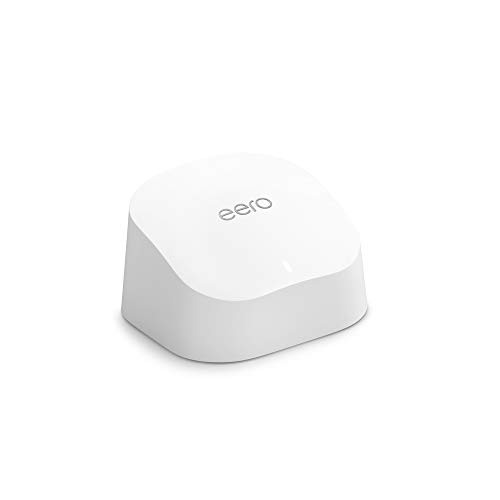
- Coverage up to 1,500 sq. ft.
- Supports 75+ connected devices
- App-guided setup and expandable mesh system
Best For: Easy whole-home Wi-Fi around a home workstation
Best 6 GHz Performance
TP-Link Archer AXE75 Wi-Fi 6E Router

- Tri-band Wi-Fi 6E with up to 5,400 Mbps
- Dedicated 6 GHz band with 160 MHz support
- 2.5 Gbps WAN port and EasyMesh compatibility
Best For: Wi-Fi 6E workstations needing responsive wireless performance
Best Value Option

- AX1800 Wi-Fi 6 dual-band performance
- Gigabit Ethernet for a wired workstation
- VPN server support and beamforming
Best For: Everyday home offices seeking affordable Wi-Fi 6 networking
Best for Multi-Gig Workstations

- Tri-band Wi-Fi 7 with 6 GHz support
- One 10 Gbps and four 2.5 Gbps-capable ports
- Supports up to 120 devices and 2,600 sq. ft.
Best For: Power users with multi-gig workstations and Wi-Fi 7 devices
Best Wi-Fi 7 Upgrade – TP-Link BE400
The TP-Link BE400 is a strong wifi router for workstation setups that need fast wireless performance, multi-gig wired connectivity, and room for many connected devices. Its Wi-Fi 7 features and 2.5Gbps ports make it especially suitable for newer laptops, desktops, and high-speed internet plans.
Best For: Workstations using Wi-Fi 7 devices, multi-gig internet, and demanding streaming or upload workloads.
Pros:
- Wi-Fi 7 features include Multi-Link Operation, Multi-RUs, and 4K-QAM.
- Up to 5,764 Mbps on 5GHz and 688 Mbps on 2.4GHz with six streams.
- Includes one 2.5Gbps WAN/LAN port, one 2.5Gbps LAN port, and three gigabit LAN ports.
- Supports coverage up to 2,400 square feet and up to 90 devices.
Cons:
- Requires a separate modem.
- EasyMesh-compatible, but not compatible with TP-Link Deco mesh systems.
- Some advanced security features may require a subscription.
Choose the BE400 if your workstation and network are ready for Wi-Fi 7 or multi-gig upgrades. Its flexible wired ports also make it practical for connecting a desktop directly while keeping other devices on Wi-Fi.
Best Easy Wi-Fi 7 Setup – NETGEAR Nighthawk RS140
The NETGEAR Nighthawk RS140 is a practical wifi router for workstation users who want Wi-Fi 7 performance without replacing their existing modem or gateway. Its 2.5Gbps WAN port, app-based setup, and support for up to 80 devices suit busy home offices and connected households.
Best For: Workstations sharing a network with video calls, streaming, gaming, and smart-home devices.
Pros:
- Wi-Fi 7 delivers up to 5Gbps across the 2.4GHz and 5GHz bands.
- Includes a 2.5Gbps WAN port plus three gigabit Ethernet LAN ports.
- Nighthawk app supports guided setup, speed tests, device pausing, and guest networks.
- Rated for up to 2,250 square feet and 80 connected devices.
Cons:
- NETGEAR Armor requires a subscription after its 30-day trial.
- Large or multi-story homes may need an Orbi mesh system.
- Actual speeds depend on the internet plan and connected devices.
The RS140 is a sensible middle ground for a workstation that needs modern wireless capacity and straightforward management. It is particularly appealing when your current modem or gateway already supports a fast Ethernet connection.
Best Wi-Fi 6 Value – TP-Link Archer AX55
The TP-Link Archer AX55 is a capable wifi router for workstation users who want dependable Wi-Fi 6 speeds and useful network controls at a more established standard. Its four external antennas, gigabit ports, VPN support, and USB 3.0 connectivity give a desktop setup room to grow.
Best For: Home workstations that need strong Wi-Fi 6 performance, VPN features, and gigabit wired networking.
Pros:
- Provides up to 2,402 Mbps on 5GHz and 574 Mbps on 2.4GHz.
- OFDMA helps multiple clients share bandwidth with reduced latency and jitter.
- Four high-gain antennas and Beamforming help extend wireless coverage.
- Supports VPN server and client functions, EasyMesh, and USB 3.0.
Cons:
- Requires a modem for most internet providers.
- Its gigabit Ethernet ports cannot take advantage of multi-gig internet plans.
- Some TP-Link HomeShield features are limited or may require additional service.
The Archer AX55 remains a well-rounded choice when your workstation uses Wi-Fi 6 or earlier devices and your internet service is gigabit-class or below. It offers more configuration options than a basic router without requiring Wi-Fi 7 hardware.
Best for Small Workspaces – NETGEAR Nighthawk R6700AX
The NETGEAR Nighthawk R6700AX is a straightforward wifi router for workstation users in apartments or small homes. Its Wi-Fi 6 connection, four gigabit LAN ports, and app-based controls cover everyday work, video calls, streaming, and connected-device needs.
Best For: A single workstation in a small home or apartment with up to 20 connected devices.
Pros:
- Wi-Fi 6 provides speeds up to 1.8Gbps across both bands.
- Four gigabit LAN ports support wired computers, consoles, storage, and streaming devices.
- Nighthawk app offers guided setup, speed tests, device pausing, and guest-network controls.
- WPA3, automatic firmware updates, and a guest network provide built-in security features.
Cons:
- Coverage is rated for up to 1,500 square feet and 20 devices.
- It does not include multi-gig Ethernet ports.
- NETGEAR Armor requires a subscription after the 30-day trial.
The R6700AX is best when you want a simple, affordable-feeling Wi-Fi 6 setup rather than maximum capacity. For a compact workspace with a wired workstation and a moderate number of devices, its port layout and easy management are well matched.
Best High-Speed Wired Choice – TP-Link Archer BE230 Wi-Fi 7 Router
If you need a fast wifi router for workstation use, the TP-Link Archer BE230 combines Wi-Fi 7 features with two 2.5 Gbps ports. It is a practical fit for a workstation, gaming setup, or home office that benefits from fast wired connections and strong dual-band wireless coverage.
Best For: Workstations and home offices with multi-gig internet or several high-bandwidth devices.
Pros:
- Wi-Fi 7 features include Multi-Link Operation, Multi-RUs, and 4K-QAM.
- Includes one 2.5G WAN/LAN port, one 2.5 Gbps LAN port, and three 1 Gbps LAN ports.
- Rated coverage reaches up to 2,000 square feet for up to 60 devices.
- Supports EasyMesh expansion and app-based setup through TP-Link Tether.
Cons:
- It is dual-band and does not support the 6 GHz band.
- A separate modem is required for most internet providers.
- Actual wireless performance varies with distance, walls, and other conditions.
The BE230 stands out when your workstation can use a 2.5 Gbps wired link or when you want newer Wi-Fi 7 capabilities without moving to a tri-band model. Its multiple Ethernet ports also make it easier to connect nearby wired devices.
Best Simple Mesh Option – Amazon eero 6 Mesh Wi-Fi Router
The Amazon eero 6 is a straightforward wifi router for workstation setups that also need dependable whole-home coverage. Its TrueMesh routing, simple app setup, and support for more than 75 devices make it useful for homes with a workstation alongside streaming and smart-home equipment.
Best For: Users who prioritize easy setup, broad coverage, and a simple path to mesh expansion.
Pros:
- Covers up to 1,500 square feet and supports internet speeds up to 900 Mbps.
- TrueMesh technology is designed to reduce drop-offs and buffering.
- Supports more than 75 connected devices with Wi-Fi 6.
- Includes a built-in Zigbee smart-home hub and automatic updates.
Cons:
- Its supported internet speed is lower than the multi-gig TP-Link options here.
- The supplied notes do not identify multi-gig Ethernet ports for a wired workstation.
- The 1-pack may require additional eero hardware for larger spaces.
Choose the eero 6 when convenience matters more than maximum throughput. The app-led setup and cross-compatible expansion make it a comfortable starting point for a home network where the workstation shares bandwidth with many other devices.
Best 6 GHz Performance – TP-Link Archer AXE75 Wi-Fi 6E Router
The TP-Link Archer AXE75 is a strong wifi router for workstation use when compatible devices can take advantage of the 6 GHz band. Its tri-band Wi-Fi 6E design, 160 MHz support, and 2.5 Gbps WAN port target responsive gaming, video calls, streaming, and other demanding home-office activity.
Best For: Workstations with Wi-Fi 6E devices that need an additional 6 GHz band and high wireless capacity.
Pros:
- Tri-band Wi-Fi 6E delivers up to 5,400 Mbps across the 6 GHz, 5 GHz, and 2.4 GHz bands.
- The 6 GHz band is designed for more bandwidth, faster speeds, and low latency.
- OFDMA and tri-band operation increase capacity for simultaneous device use.
- Offers a 2.5 Gbps WAN port, VPN server and client support, and EasyMesh compatibility.
Cons:
- 6 GHz benefits require compatible Wi-Fi 6E devices.
- The listed LAN port bandwidth is 1,000 Mbps, limiting wired workstation links to gigabit speeds.
- A modem is required for most internet providers.
The AXE75 is the better match for a modern wireless workstation that can use 6 GHz. It provides more spectrum than a dual-band router, while its cooling design, dual-core CPU, and 512 MB of memory support a busy multi-device network.
Best All-Around Pick – NETGEAR Nighthawk RAX36
If you need a dependable wifi router for workstation use, the NETGEAR Nighthawk RAX36 combines Wi-Fi 6 performance with four gigabit Ethernet ports for wired computers and accessories. It supports speeds up to 3 Gbps and is designed for homes or small workspaces with up to 25 connected devices.
Best For: Workstations, gaming setups, and home offices that need fast wired connections and solid Wi-Fi 6 coverage.
Pros:
- Four 1G Ethernet ports for computers, consoles, and streaming devices
- AX3000 Wi-Fi 6 speeds up to 3 Gbps
- Coverage up to 2,000 square feet for up to 25 devices
- Includes built-in VPN support and a USB 3.0 port
Cons:
- Requires a separate cable modem
- Internet compatibility is listed up to 1 Gbps
The RAX36 is a practical choice when your workstation benefits from wired gigabit connectivity but you still want modern wireless performance throughout the home.
Best Value Option – TP-Link Archer AX21
The TP-Link Archer AX21 is a straightforward wifi router for workstation setups that need reliable Wi-Fi 6 connectivity without moving to a higher-end tri-band model. Its AX1800 dual-band design supports up to 1.8 Gbps total bandwidth and includes gigabit LAN ports for wired devices.
Best For: Budget-conscious home offices with a workstation, laptops, and several everyday connected devices.
Pros:
- Wi-Fi 6 supports faster connections and reduced congestion
- Up to 1.8 Gbps combined dual-band bandwidth
- Four high-gain antennas, beamforming, and an advanced FEM support coverage
- Supports OpenVPN and PPTP VPN server functions
Cons:
- Requires a separate modem
- Does not support the 6 GHz band
- Actual performance varies with distance, walls, and other conditions
For a typical workstation and home network, the Archer AX21 offers useful Wi-Fi 6 features, gigabit wired networking, and broad ISP compatibility at a sensible performance level.
Best for Multi-Gig Workstations – TP-Link Archer BE600
The TP-Link Archer BE600 is a powerful wifi router for workstation users with newer Wi-Fi 7 devices or multi-gigabit networking hardware. Its tri-band design includes 6 GHz support, Wi-Fi 7 features, and one 10 Gbps plus four 2.5 Gbps-capable ports for demanding wired setups.
Best For: High-performance workstations, multi-gig internet plans, and homes with many newer Wi-Fi 7 devices.
Pros:
- Wi-Fi 7 with Multi-Link Operation, Multi-RUs, 4K-QAM, and 320 MHz channels
- Up to 9.7 Gbps aggregate data rate across tri-band networking
- One 10 Gbps port and four 2.5 Gbps-capable ports
- Covers up to 2,600 square feet and up to 120 devices
Cons:
- Its multi-gig ports require compatible modem and network hardware to reach their potential
- Newer Wi-Fi 7 features require compatible client devices
- Higher specifications may exceed the needs of basic workstations
The Archer BE600 is the most future-ready option here, especially when a workstation uses multi-gig wired storage, fast internet, or modern Wi-Fi 7 hardware.
How We Picked the Best Wifi Router for Workstation
We focused on the features that matter most at a desk: consistent throughput, low latency, dependable wired connectivity, useful wireless capacity, and practical coverage. The selection includes dual-band and tri-band routers, newer Wi-Fi 7 models, Wi-Fi 6E options with access to the 6GHz band, and straightforward budget-friendly choices.
We also considered stated coverage, device capacity, Ethernet performance, setup simplicity, and whether each model suits a single workstation, a busy home office, or a larger connected household. Advertised speeds are theoretical; actual results depend on your internet plan, client devices, wall materials, interference, and placement.
Quick Comparison
| Best For | Recommended Type | Why It Makes Sense |
|---|---|---|
| Everyday home office | Wi-Fi 6 dual-band | Good value, broad compatibility, and reliable performance |
| Large file transfers and newer devices | Wi-Fi 7 | Higher capacity and improved efficiency for compatible clients |
| Less-congested wireless networking | Wi-Fi 6E tri-band | Adds the 6GHz band where supported |
| Several rooms or hard-to-cover spaces | Mesh-compatible system | Expands coverage more consistently than a single router |
Key Buying Factors for a Wi-Fi Router for Workstation
Wireless Standard and Client Support
Wi-Fi 6 remains a strong choice for most workstations and offers excellent compatibility. Wi-Fi 6E can reduce congestion through 6GHz, but your computer or adapter must support it. Wi-Fi 7 is the most forward-looking option, especially if you expect to upgrade devices or need high capacity for simultaneous transfers and streaming.
Ports and Wired Performance
For a fixed workstation, Ethernet is still the most predictable connection. Check the number and speed of LAN ports, particularly if you use a NAS, desktop, docking station, or wired access point. A multi-gigabit port is valuable only when your internet service or local network can use it.
Coverage, Bands, and Placement
Choose a router with enough coverage for the room and surrounding areas, but do not rely on square-footage claims alone. Place it in an open, central position away from thick walls and appliances. Tri-band models can better separate traffic, while mesh systems are more practical for multi-floor homes.
Capacity and Reliability
Consider how many devices share the network, not just the workstation’s peak speed. A router with stronger capacity, modern traffic management, and current security features is better suited to busy households and professional workflows.
Who Should Buy Which Wifi Router for Workstation?
Choose a Wi-Fi 6 dual-band router if you want dependable performance at a sensible price and your devices do not require the newest standard. Step up to Wi-Fi 6E if you have compatible 6GHz clients and deal with crowded wireless networks. Wi-Fi 7 is the best fit for demanding users who transfer large files, run several high-bandwidth devices, or want more upgrade headroom.
For a single nearby workstation, prioritize Ethernet ports and stable wireless performance over maximum coverage. For a larger home office or multiple rooms, consider a model with strong coverage or mesh expansion. Finally, match the router to your internet plan: premium wireless hardware cannot increase service speed beyond what your provider delivers, but it can improve local networking, responsiveness, and performance across connected devices.