If your desktop speakers sound thin or lack low-end impact, the right subwoofer can make a huge difference. A good bass speaker adds depth without overpowering the rest of your setup.
We focused on compact, easy-to-place options that work well in desktop and nearfield systems, with choices for music, gaming, and mixed-use listening.
Best 10 Subwoofers for Desktop Setups Picks for 2026
Compact Bass Upgrade

- 8-inch driver with 70W RMS output
- 38Hz low-pass filter for deeper bass
- MDF cabinet with auto standby
Best For: Desktop users wanting simple powered bass
Desktop Studio Bass

- Made for CR Series monitors
- Desktop remote for volume and bypass
- Bluetooth plus TRS/RCA inputs
Best For: Monitor-based desks needing easy control
Deep Bass in a Slim Cabinet
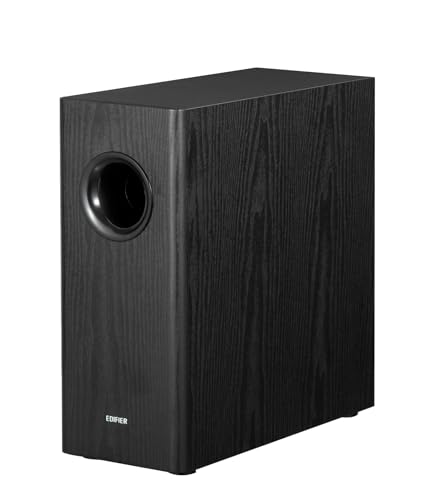
- 35Hz low-end response with 70W RMS
- Low-pass and phase controls for tuning
- Slim MDF cabinet with RCA cables included
Best For: Compact desktop systems needing adjustable bass
Big Bass Value Pick
Polk Audio PSW10 10" Subwoofer
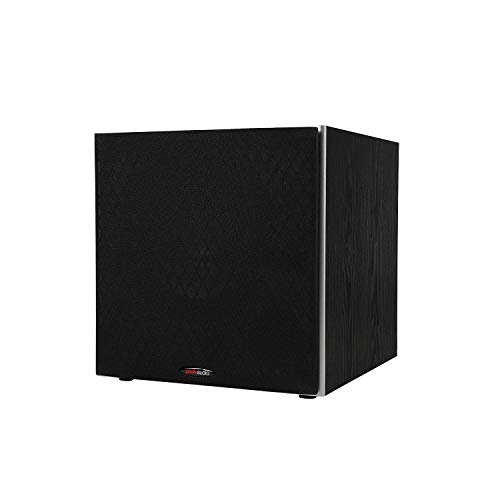
- 10-inch woofer with up to 100W power
- Variable 80-160Hz crossover
- Speaker-level and line-level inputs
Best For: Budget buyers needing strong wired bass
Compact home-bass pick

- 8-inch woofer with Advanced YST II
- Twisted flare port for tighter bass
- 100W powered output, wired connection
Best For: Desktop or small-room listeners who want simple, controlled bass
Studio-ready desktop sub

- 8-inch front-firing powered subwoofer
- Bluetooth 5.0 plus TRS, RCA, and aux
- Crossover controls for monitor integration
Best For: Music production and desktop audio setups that need accurate bass
Most compact desk fit
Kanto SUB6 Sealed Powered Subwoofer
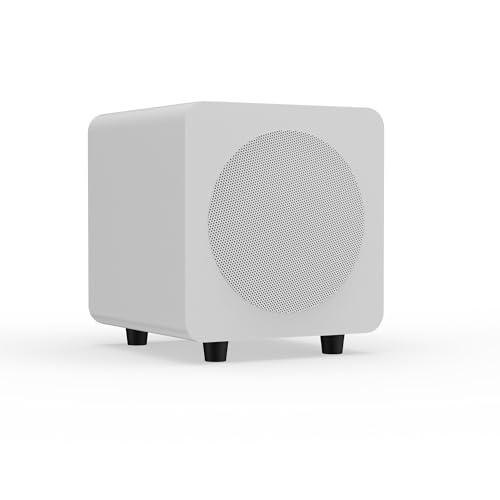
- Ultra-compact 6-inch sealed design
- 100W RMS with Class-D amp
- Crossover and phase controls for tuning
Best For: Tiny desks and small spaces where size matters most
Compact Desktop Pick

- 6-inch compact subwoofer for tighter spaces
- 210W powered output with front-firing bass
- Wired RCA/aux support with Bluetooth connectivity
Best For: Desktop users wanting compact, powered bass in a small footprint
Most Flexible Hookup
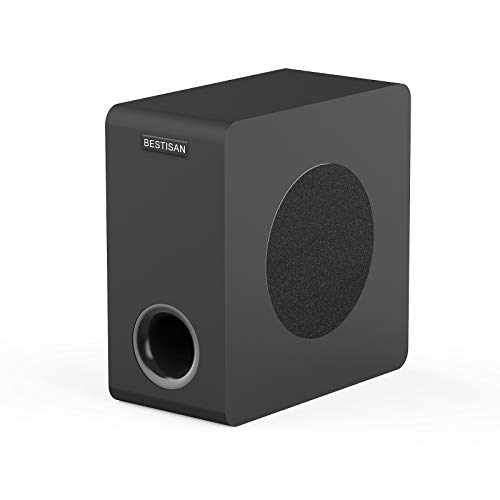
- 6.5-inch compact sub with side-firing woofer
- RCA, AUX, LFE, and high-level I/O support
- Remote control and easy setup for mixed systems
Best For: Users who need simple connectivity across desktop and home theater gear
Best Power Option
Audioengine S8 Powered Subwoofer
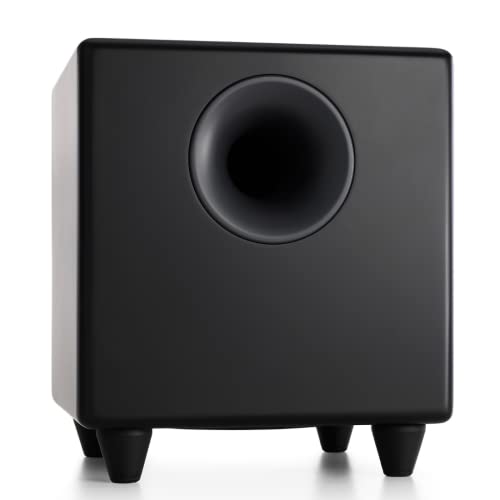
- 250W powered sub with an 8-inch driver
- Down-firing design for deep, resonant bass
- Compatible with desktops, laptops, and stereo systems
Best For: Desktop users with room for a larger sub and a stronger bass upgrade
Compact Bass Upgrade – Edifier T5 Powered Subwoofer
Edifier T5 Powered Subwoofer - 70w RMS Active Woofer with 8 inch Driver and Low Pass Filter
Check Price On AmazonIf you’re building subwoofers for desktop setups, the Edifier T5 is a simple way to add real low-end weight without overcomplicating your desk. Its 8-inch driver, 70W RMS output, and 38Hz low-pass response make it a practical match for small speaker systems that need fuller bass.
Best For: Desktop listeners who want a straightforward powered subwoofer with a compact, furniture-friendly MDF cabinet.
Pros:
- 8-inch driver delivers accurate bass for desktop listening.
- Low-pass filter reaches down to 38Hz for deeper extension.
- MDF wooden enclosure is built to reduce acoustic resonance.
- Auto standby helps save power when not in use.
Cons:
- Wired RCA connectivity only, so placement depends on cable reach.
- No wireless desktop control features.
Overall, the T5 is a clean, no-frills bass add-on for a desk audio system that needs more depth than standard speakers can provide.
Desktop Studio Bass – Mackie CR8SBT 8" Subwoofer
For subwoofers for desktop setups, the Mackie CR8SBT is aimed squarely at monitor-based workspaces. It’s made for CR Series monitors, adds bass your desktop speakers can’t produce, and includes adjustable crossover controls plus a desktop remote for quick changes.
Best For: Desktop monitor setups that need a subwoofer with easy control, Bluetooth input, and flexible connection options.
Pros:
- Built for CR Series monitors with TRS or RCA connection options.
- Desktop remote puts volume and sub bypass within reach.
- Adjustable crossover helps blend the sub with your speakers.
- Bluetooth input adds extra flexibility for compatible sources.
Cons:
- Larger footprint than compact desk subwoofers.
- Bluetooth may be unnecessary if you only use wired desktop audio.
The CR8SBT is a strong pick when you want a desktop sub that feels purpose-built for monitor setups and quick day-to-day control.
Deep Bass in a Slim Cabinet – Edifier T5s Subwoofer
If you’re comparing subwoofers for desktop setups and want a smaller cabinet without giving up depth, the Edifier T5s is worth a look. It pairs a 70W RMS amp with a 35Hz low-end response, plus flexible low-pass and phase controls for better integration with active speakers.
Best For: Desktop and bookshelf systems that need compact, adjustable bass with easy wired hookup.
Pros:
- 35Hz bass extension from an 8-inch long-throw woofer.
- Low-pass filter and phase selector help match different speaker setups.
- Slim MDF cabinet is designed to fit tighter spaces.
- Includes RCA cables for quick plug-and-play setup.
Cons:
- Wired-only design may limit placement flexibility.
- Best suited to systems with proper RCA or sub-out support.
On a desk, the T5s stands out for combining deep bass with a space-saving shape and controls that make setup easier to dial in.
Big Bass Value Pick – Polk Audio PSW10 10" Subwoofer
For shoppers looking at subwoofers for desktop setups, the Polk Audio PSW10 is less of a desk-first model and more of a compact bass upgrade for small rooms or larger desktop audio systems. Its 10-inch woofer, built-in 50-watt RMS amp, and variable crossover make it a practical match when you want fuller low-end output.
Best For: Budget-minded buyers who want a powered subwoofer with strong bass output and straightforward wired integration.
Pros:
- 10-inch woofer delivers full, punchy bass.
- Built-in 50-watt RMS amp provides up to 100 watts of power.
- Variable 80-160Hz crossover helps match different systems.
- Speaker-level and line-level connections make integration easier.
Cons:
- Physically larger than typical desktop-oriented subs.
- Better suited to small-to-mid size rooms than tight desk spaces.
The PSW10 makes sense when you want a proven powered subwoofer with solid output and flexible wiring, even if it takes up more room than ultra-compact desktop models.
Compact home-bass pick – Yamaha 8" Powered Subwoofer
If you want a simple add-on for subwoofers for desktop setups, this Yamaha 8-inch powered subwoofer brings compact bass support with an emphasis on clean, tight low end. Its twisted flare port and Advanced YST II are aimed at keeping bass controlled, while the 100W output makes it a practical fit for desktop-friendly listening spaces.
Best For: Desktop users who want a straightforward, wired subwoofer for music, movies, or general home audio without a lot of setup complexity.
Pros:
- 8-inch cone woofer with Yamaha Advanced YST II for controlled bass
- Twisted flare port helps keep low frequencies clear and tight
- Compact enough to work in smaller rooms or desktop-adjacent setups
- Includes remote control and wired subwoofer connectivity
Cons:
- Wired-only subwoofer connection
- Bulk may still be noticeable for very tight desk spaces
- Designed more for home audio than studio-style precision
Overall, this is a solid pick if your priority is compact, dependable bass rather than feature-heavy desktop audio. It should suit listeners who want a clean low-end boost for everyday use.
Studio-ready desktop sub – PreSonus Eris Sub 8BT
For subwoofers for desktop setups where accuracy matters, the PreSonus Eris Sub 8BT is built around a front-firing 8-inch design and studio-oriented tuning. It combines Bluetooth 5.0 with multiple wired input options, making it a flexible match for music production, multimedia use, or desktop listening where you want accurate low end.
Best For: Desktop creators and listeners who want accurate bass, flexible connectivity, and the option to go wireless.
Pros:
- Studio-focused tuning with a compact front-firing 8-inch driver
- Bluetooth 5.0 plus TRS, RCA, and front-panel aux input
- Highpass and lowpass crossover controls help integrate with monitors
- Rated down to 30 Hz for strong low-end extension
Cons:
- More features than a basic casual-use subwoofer
- Best results depend on careful crossover and room tuning
- Wireless convenience may be unnecessary if you only want a simple setup
This is a strong choice if you want desktop bass that behaves more like a studio tool than a home-theater add-on. The flexible connections and tuning controls make it especially useful in mixed-use workspaces.
Most compact desk fit – Kanto SUB6 Sealed Powered Subwoofer
Kanto SUB6 Sealed Powered Subwoofer with 6” Woofer (Matte White & White Grille)
Check Price On AmazonAmong subwoofers for desktop setups, the Kanto SUB6 stands out for being small enough to fit under a desk while still delivering real low-frequency support. Its sealed enclosure is designed for speed and accuracy, and the 6-inch driver plus 100W RMS output make it a practical match for compact rooms and minimalist desk setups.
Best For: Small desks, compact apartments, and listeners who want accurate bass without taking up much space.
Pros:
- Very compact footprint that fits neatly under desks
- Sealed enclosure emphasizes fast, precise bass
- 100W RMS power with a Class-D amplifier
- Adjustable crossover and phase switch for easier integration
Cons:
- 6-inch woofer is smaller than many full-size subwoofers
- RCA-only connectivity limits input flexibility
- Focused on tight bass rather than maximum deep-bass output
For small desktop setups, this is the most space-conscious option in the group. It favors clean integration and compact dimensions over sheer output, which makes it easier to place in tight rooms.
Compact Desktop Pick – Audioengine S6 Mini Subwoofer
If you’re shopping for subwoofers for desktop setups, the Audioengine S6 is a strong fit when you want real bass without giving up much space. Its compact 6-inch design, 210W output, and support for wired RCA or auxiliary connections make it a practical add-on for desks, small media rooms, and compact home audio systems.
Best For: Desktop users and small-room listeners who want a slim, powered sub with flexible wired connectivity.
Pros:
- Compact 6-inch design that fits tighter setups
- 210W powered output for stronger low-end presence
- Works with desktop, stereo receiver, and home theater setups
- Includes wired RCA and auxiliary connectivity, plus Bluetooth support
Cons:
- Front-firing design may not suit every placement layout
- Uses a corded power source, so it needs outlet access
- At 15.4 pounds, it is still a dedicated component rather than a tiny accessory
The S6 is best when you want a space-conscious subwoofer that still sounds like a serious upgrade. For a desktop setup, it offers a good balance of size, power, and compatibility.
Most Flexible Hookup – BESTISAN Powered Subwoofer
For subwoofers for desktop setups that also need to work with TVs, soundbars, or bookshelf speakers, the BESTISAN powered subwoofer is built for flexibility. Its 6.5-inch side-firing woofer, 35 Hz to 200 Hz response, and multiple input options make it a practical choice when you want easy integration more than a large cabinet.
Best For: Buyers who want a compact, easy-to-connect subwoofer for desktop-adjacent or mixed home audio systems.
Pros:
- Compact 6.5-inch powered design with a small footprint
- Multiple connections including RCA, AUX, LFE, and high-level inputs/outputs
- Side-firing woofer and bass-reflex cabinet for focused low-end output
- Remote control adds convenience during setup and use
Cons:
- 100W max output is lower than some larger powered subs
- Designed mainly for home theater use rather than dedicated studio monitoring
- Best performance depends on matching signal levels as noted by the manufacturer
This model stands out for compatibility and ease of setup. If your desktop audio shares space with a TV or receiver, it gives you a straightforward path to deeper bass without a complicated install.
Best Power Option – Audioengine S8 Powered Subwoofer
If you’re comparing subwoofers for desktop setups and want more output than a mini model can deliver, the Audioengine S8 is the more powerful option here. With 250W output, an 8-inch driver, down-firing design, and compatibility with desktops and laptops, it is geared toward users who want deeper bass in a desk-based audio system.
Best For: Desktop and laptop listeners who want a larger, more powerful subwoofer with strong low-end extension.
Pros:
- 250W output for a stronger bass upgrade
- 8-inch driver with down-firing design for deep, resonant lows
- Compatible with desktops, laptops, and stereo systems
- Sleep mode helps reduce power use when idle
Cons:
- Larger 11.26-inch cube may be harder to place on or near a desk
- Wired RCA connectivity only, so it is not the simplest wireless option
- At 30 pounds, it is the least portable model in this group
The S8 is the best fit if your priority is bass authority rather than minimal size. It suits desktop users who have room for a bigger cabinet and want a sub that can go well beyond basic nearfield fill.
How We Picked These Subwoofers for Desktop Setups
We prioritized models that make sense beside a desk: compact footprints, usable crossover and level controls, and enough output to add bass without overwhelming a small room. We also looked for reliable connectivity, sensible power ratings, and designs that are easy to integrate with powered monitors or bookshelf speakers.
Quick Comparison: What Matters Most
For Subwoofers for Desktop Setups, the main differences usually come down to driver size, enclosure type, and placement flexibility. Smaller sealed models tend to sound tighter and are easier to position under or beside a desk, while larger ported designs can deliver more output but may need more space and careful tuning. Wireless features can be convenient, but wired connections are still the most dependable for latency-sensitive desktop audio.
Key Buying Factors for Subwoofers for Desktop Setups
Size and Placement
Measure your floor space before buying. A 6- to 8-inch subwoofer is often the sweet spot for desktops because it balances footprint and bass extension. If your room is larger or your speakers are farther away, a 10-inch model may be worth the extra space.
Output and Bass Character
Look beyond wattage alone. For desktop use, controlled bass usually matters more than raw loudness. Sealed subs often give a tighter response for music and gaming, while ported subs can sound bigger and punchier.
Connectivity and Controls
Make sure the sub has the inputs your setup needs. Line-level inputs, speaker-level inputs, Bluetooth, and remote controls can all be useful depending on your monitors and source devices. Adjustable crossover, phase, and volume controls are especially important for blending the sub with your main speakers.
Noise and Integration
A good desktop sub should disappear into the system, not call attention to itself. Low distortion, quiet operation, and easy tuning matter more than flashy specs. If possible, place the sub away from the most vibration-sensitive parts of your desk.
Who Should Buy Which Subwoofers for Desktop Setups?
If you want the most balanced all-around option, choose a compact 8-inch model with flexible controls. If you’re short on space, a smaller sealed sub is usually the best fit. If you want more impact for a larger room or hybrid desk-and-living-space setup, a 10-inch sub can deliver stronger low end. For listeners who want simple setup and extra convenience, features like Bluetooth or a remote may be worth prioritizing.
Ultimately, the best choice depends on your room size, speaker pairing, and how much bass you actually want on the desktop. For most buyers, a well-tuned compact sub will offer the biggest improvement without making the system harder to use.