Standalone samplers have become essential tools for producers, DJs, and live performers who want hands-on control without relying on a laptop. The right model can speed up beat creation, improve stage workflow, and keep your ideas moving anywhere.
Below, we’ve narrowed the field to versatile options for beginners through advanced users, with a focus on portability, performance features, and practical value.
Best 10 Standalone Samplers Picks for 2026
Portable Starter Pick
Akai MPC Sample Portable Sampler

- Battery-powered standalone sampler with built-in speaker and mic
- 16 pads, color display, and fast chop workflow
- USB-C, MIDI, and line outputs for flexible setups
Best For: Beginners and DAWless creators who want a portable MPC-style sampler
Live DJ Performance Pick
Pioneer DJ DJS-1000 Standalone Sampler

- Standalone sampler and sequencer built for live DJ sets
- 16 pads and 7-inch touchscreen for tactile control
- PRO DJ LINK syncs with compatible Pioneer DJ gear
Best For: DJs needing a performance-focused sampler for live sets
High-Power Flagship Pick
Akai MPC Live III Standalone Music Center
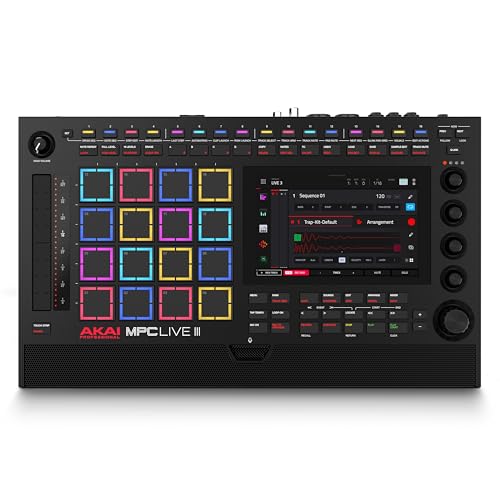
- Fully standalone MPC with 8-core processor and 8GB RAM
- 3D-sensing MPCe pads plus 7-inch multi-touch display
- Built-in speakers, mic, battery, and extensive I/O
Best For: Producers who need a powerful all-in-one standalone sampler
Pocket Sound Design Pick
Roland AIRA Compact P-6 Sampler

- Pocket-size standalone sampler with built-in mic
- Chop, step sampling, and resample functions
- Granular controls, filters, and envelopes for sound design
Best For: Players who want a compact sampler for quick capture and sound shaping
Performance Groovebox
Polyend Play+ standalone synth and sampler
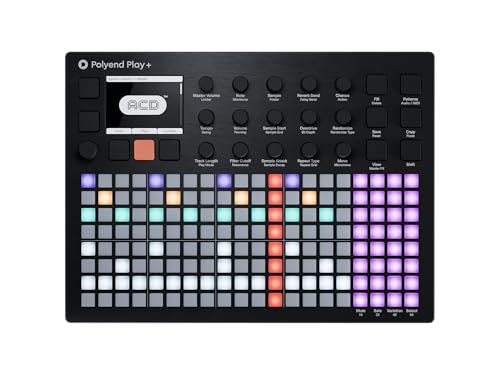
- 16 stereo tracks for sequencing
- Backlit pads for live control
- 5,000+ onboard samples with microSD support
Best For: Producers who want a performance-focused standalone sampler
Portable Creative Sampler
Roland AIRA Compact P-6 sampler bundle

- Built-in mic for quick capture
- 64-step sequencer with motion recording
- USB-C, MIDI, and sync I/O
Best For: Musicians who want a small, portable sampler
Beginner-Friendly Portable Sampler
CASIO SXC-1 standalone sampler for beginners

- Built-in mic and speaker
- 16 tracks x 16 steps sequencing
- 64GB storage and battery power
Best For: Beginners who want a compact standalone sampler with straightforward recording
Modern flagship pick
Roland SP-404MKII Creative Sampler Bundle
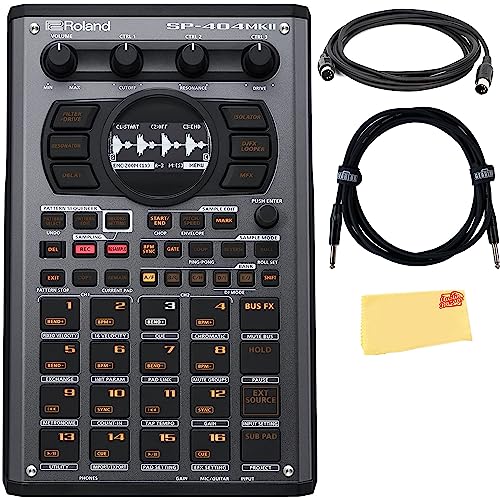
- 17 pads with updated knobs for hands-on control
- 16 GB internal storage with fast project access
- Skip Back Sampling and DJ mode for live use
Best For: Producers who want a fast, portable standalone sampler for beatmaking and performance
Classic portable option
Roland SP-404SX Linear Wave Sampler

- Built-in mic and battery power for sampling anywhere
- 29 DSP effects with seamless switching
- 12 pads plus Sub Pad and pattern sequencer
Best For: Players who want a compact, classic standalone sampler for portable performance
AIRA content bundle pick
Roland SP-404A Rhythmic Effects Sampler

- Built-in mic and battery power for mobile sampling
- 29 DSP effects with seamless switching
- Includes Loopmasters content and pad import software
Best For: Performers who want an SP-404 standalone sampler with bundled sounds and AIRA styling
Portable Starter Pick – Akai MPC Sample Portable Sampler
If you want standalone samplers that keep the classic MPC workflow approachable, the Akai MPC Sample is built for quick beatmaking without a computer. Its compact size, battery power, built-in speaker, internal mic, and microSD storage make it easy to capture ideas anywhere, then chop and shape them with hands-on controls.
Best For: Beginners, DAWless creators, and beatmakers who want a portable, all-in-one MPC sampler for sketching ideas on the go.
Pros:
- Fully standalone with rechargeable battery, speaker, mic, and microSD storage
- 16 MPC pads and a 2.4-inch color display keep sampling and chopping straightforward
- Includes over 100 factory kits plus instant chop, timestretch, repitch, and resampling tools
- USB-C audio/MIDI, MIDI I/O, and line I/O make it easy to connect to studio or live rigs
Cons:
- Smaller screen and compact layout may feel limited for users who want a larger performance surface
- MIDI DIN connection requires an adapter that is not included
This is a strong entry point if you want a portable standalone sampler with real MPC character and enough connectivity to grow with your setup. It focuses on fast inspiration and practical portability rather than maximum power.
Live DJ Performance Pick – Pioneer DJ DJS-1000 Standalone Sampler
Among standalone samplers for the booth, the Pioneer DJ DJS-1000 is aimed squarely at hands-on live performance. The 16 velocity-sensitive pads, 7-inch touchscreen, and step-sequencer layout make it easy to build and trigger patterns live, while PRO DJ LINK helps it stay synced with compatible DJ gear.
Best For: DJs who want a tactile standalone sampler and sequencer for live remixes, edits, and performance layering.
Pros:
- Standalone operation keeps you off the laptop during sets
- 16 velocity-sensitive pads and a 7-inch touchscreen support fast, tactile control
- Step sequencer is well suited to building drum patterns and loops on the fly
- PRO DJ LINK sync helps samples lock to the tempo of compatible CDJs and mixers
Cons:
- At 15 pounds, it is not as portable as smaller tabletop samplers
- Its DJ-focused design is less flexible for general music production than some all-in-one units
If your priority is live booth performance, the DJS-1000 delivers a workflow that feels immediate and performance-oriented. It is best viewed as a stage tool for triggering, sequencing, and remixing rather than a travel-friendly sketchpad.
High-Power Flagship Pick – Akai MPC Live III Standalone Music Center
If you want a more advanced option in standalone samplers, the Akai MPC Live III is built to handle serious production without a computer. It combines an 8-core processor, 8GB RAM, built-in mic, stereo monitors, battery power, and a large touch display for a fast, self-contained workflow.
Best For: Producers who want a powerful standalone sampler and sequencer for full-track creation, performance, and studio integration.
Pros:
- Fully standalone design with powerful processing and MPC3 OS workflow
- 3D-sensing MPCe pads add velocity, pressure, and X/Y control
- Built-in speakers, microphone, battery, and internal storage support mobile production
- Wide I/O set includes USB-C, CV/Gate, MIDI, combo inputs, and six TRS outputs
Cons:
- Feature depth and expanded hardware likely make it overkill for simple sampling needs
- Larger, more advanced unit may be less convenient if you only need a compact travel sampler
The Live III is the most expansive of the group, aiming at users who want one box for sampling, sequencing, arranging, and integrating with a larger studio. It is a strong fit when you need power and connectivity as much as portability.
Pocket Sound Design Pick – Roland AIRA Compact P-6 Sampler
For users shopping standalone samplers that emphasize portability and sound design, the Roland AIRA Compact P-6 keeps things small but capable. It includes a built-in mic, chop and step-sampling functions, resampling, and chromatic playback, so you can capture sounds and turn them into playable instruments quickly.
Best For: Musicians who want a compact standalone sampler for quick sample capture, chopping, and creative sound shaping.
Pros:
- Very compact design with built-in microphone for easy on-the-go sampling
- Chop and step-sampling features simplify splitting and assigning samples
- Resample capability expands creative loop-making and sound design options
- Granular controls, filters, and envelopes provide detailed sound shaping
Cons:
- Small format may feel limited for users who want a larger performance interface
- Software editing and import/export require the P-6 Sample Tool for macOS and Windows
The P-6 is a good match if you want a pocket-friendly sampler with more design depth than its size suggests. It favors quick experimentation and detailed manipulation over a larger, traditional workstation style.
Performance Groovebox – Polyend Play+ standalone synth and sampler
If you want standalone samplers that double as a performance groovebox, the Polyend Play+ is built for hands-on beatmaking with 16 stereo tracks, backlit pads, and a large onboard sample library. It is a practical pick for sketching patterns, triggering sounds, and working without relying on a laptop.
Best For: Producers who want a performance-focused standalone sampler with lots of onboard content and pad control.
Pros:
- 16 stereo tracks for building layered patterns and arrangements
- Backlit performance pads for visible control in darker setups
- 16GB microSD card slot plus 5,000+ onboard samples
- 3.5mm headphone out for private monitoring
Cons:
- Detailed workflow may feel more advanced than a beginner sampler
- USB-focused connectivity may not suit every hardware-only setup
The Play+ stands out if you want a self-contained sampler that leans into live control and track-based sequencing. Its sample library and pad layout make it a strong choice for fast idea building and performance use.
Portable Creative Sampler – Roland AIRA Compact P-6 sampler bundle
Roland AIRA Compact P-6 Creative Sampler Bundle with Audio Cable and Austin Bazaar Polishing Cloth
Check Price On AmazonAmong standalone samplers, the Roland AIRA Compact P-6 is a compact option designed for quick capture and detailed pattern building. Its built-in microphone, 64-step sequencer, and USB-C connectivity make it a practical tool for portable sampling and sketching ideas on the move.
Best For: Musicians who want a small, portable sampler with built-in recording and flexible sequencing.
Pros:
- Built-in microphone for easy sample capture
- 64-step sequencer with motion recording and micro-timing
- Audio, MIDI, and sync I/O plus USB-C connectivity
- Bundle includes an audio cable and polishing cloth
Cons:
- Compact form factor may feel limited for users wanting larger hands-on controls
- Bundle extras are useful, but the core unit remains the main value
The P-6 is a strong choice if portability matters more than a full-size workstation. It combines straightforward sample capture with sequencing tools that support more detailed rhythmic ideas.
Beginner-Friendly Portable Sampler – CASIO SXC-1 standalone sampler for beginners
CASIO Portable STANDALONE Sampler SXC-1 Sampler for Beginners to Make and Play Songs Easily
Check Price On AmazonIf you are comparing standalone samplers for a simple start, the CASIO SXC-1 is positioned as an easy-to-use portable option for making and playing songs. It includes built-in mic and speaker support, 16-step sequencing, and app-based file format handling for WAV, FLAC, and MP3 imports.
Best For: Beginners who want a compact standalone sampler with straightforward recording and playback features.
Pros:
- Built-in microphone and speaker for simple sampling and playback
- 16 tracks by 16 steps sequencer for song building
- 64GB built-in storage with WAV sampling support
- Portable size and battery-powered operation
Cons:
- Maximum sampling time is limited to 15 minutes
- File import support depends on the CASIO Sampler App for some formats
The SXC-1 keeps the focus on approachable sampling rather than deep complexity. For users who want an easy entry into standalone sampling, its built-in I/O and portable design are the key strengths.
Modern flagship pick – Roland SP-404MKII Creative Sampler Bundle
If you want a standalone sampler built for fast beatmaking and hands-on performance, the Roland SP-404MKII keeps the classic SP feel while adding a much quicker workflow. It’s designed for users who want expressive pads, immediate sample access, and performance-friendly effects without a complicated setup.
Best For: Beatmakers, live performers, and creators who want a modern standalone sampler with portable power and quick sampling.
Pros:
- 17 ultra-expressive pads and updated knobs for tactile control
- Fast boot time, swift project loading, and 16 GB of internal storage
- Skip Back Sampling captures up to 40 seconds of your last performance
- Battery power, USB audio streaming, dual headphone outputs, and mic/guitar input
Cons:
- Bundle includes accessories, but the core value is in the sampler itself
- Workflow may feel feature-rich if you only need basic sampling
- Portable operation depends on AA or mobile battery power
The SP-404MKII stands out as a flexible standalone sampler for users who value quick capture, smooth editing, and performance effects in one compact unit. The included bundle is a practical bonus, but the real draw is Roland’s updated workflow and live-ready design.
Classic portable option – Roland SP-404SX Linear Wave Sampler
The Roland SP-404SX is a straightforward standalone sampler for users who want a portable, performance-focused box with dependable sampling and effects. It keeps the workflow compact with built-in mic support, battery operation, and a simple pad-and-knob layout.
Best For: Artists who want an easy-to-use standalone sampler with classic SP-style performance tools.
Pros:
- Sample anytime, anywhere with built-in mic and battery power
- 29 DSP effects including filter, delay, voice effects, subsonic, and looper
- 12 trigger pads, 3 control knobs, and a Sub Pad for repeat triggering
- Pattern sequencer with quantize mode and shuffle feels
Cons:
- Uses a more traditional workflow than the newer SP-404MKII
- Includes 1GB SD card, which may feel limited for larger libraries
- Storage expansion tops out at 32GB with SDHC
The SP-404SX is a practical choice if you want a proven sampler that prioritizes portability and performance effects over newer workflow extras. It remains appealing for users who like the classic SP approach and don’t need the latest generation features.
AIRA content bundle pick – Roland SP-404A Rhythmic Effects Sampler
The Roland SP-404A is a standalone sampler aimed at performers who want the familiar SP layout with an AIRA look and some useful content extras. It keeps the battery-powered, built-in-mic design while adding a Sounds by Loopmasters SD card and software-based sample importing.
Best For: Live performers and sample-based creators who want an SP-404 with AIRA styling and included sample content.
Pros:
- Built-in mic and battery power for sampling on the go
- 29 DSP effects with seamless switching for smooth performance
- Includes Sounds by Loopmasters SD card with over 100 stereo samples, effects, and one-shots
- Import audio from a computer and assign samples to pads with free Mac/Windows software
Cons:
- Feature set is close to the SP-404SX, so upgrades are mostly around style and bundled content
- TR-8 triggering requires compatible system software
- It still uses the older SP workflow rather than the newer MKII approach
The SP-404A makes sense if you like the classic SP-404 formula but want included sample content and an AIRA-themed finish. It’s a solid standalone sampler for performance-minded users who value quick access and simple importing.
How We Picked These Standalone Samplers
We focused on Standalone Samplers that can operate independently, offer useful onboard controls, and make it easy to sketch, sequence, and perform without needing a computer. Priority went to models with strong pad layouts, intuitive sampling workflows, reliable storage options, and features that support both studio and stage use.
Quick Comparison
If you want an all-in-one production hub, look at larger MPC-style units. If your goal is DJ performance or clip-based triggering, a touchscreen performance sampler may be the better fit. For more compact setups, portable groovebox-style units and pocket-sized samplers trade deep editing for speed, portability, and immediacy.
Key Buying Factors for Standalone Samplers
Workflow and Learning Curve
Some Standalone Samplers are built for deep editing, multi-track sequencing, and full song creation, while others emphasize fast sample capture and live manipulation. Choose the interface that matches how you make music: detailed control for studio users, or a simpler layout for quick ideas and performance.
Pads, Screen, and Hands-On Control
Pad quality, screen visibility, and dedicated knobs or faders make a big difference. For live performance, responsive pads and fast navigation matter more than raw spec lists. For sample chopping and arrangement, a larger display can save time.
Connectivity and Expansion
Check for MIDI I/O, audio inputs, sampling inputs, sync options, and storage support. These details determine how well a unit fits into a larger setup with synths, drum machines, turntables, or a DAW.
Portability and Power
Battery power and compact sizing are especially important if you plan to travel, busk, or perform away from the studio. Larger Standalone Samplers usually offer more depth, but smaller units are easier to carry and faster to deploy.
Who Should Buy Which Standalone Samplers?
Choose a full-size production sampler if you want the most flexibility for beat-making and arranging. Pick a performance-focused sampler if you mainly trigger samples, loops, and effects live. Go with a compact sampler if portability and fast idea capture matter most. Beginners should favor straightforward controls and clear workflow, while experienced users will likely want deeper sequencing, slicing, and integration options.
In short, the best Standalone Samplers are the ones that fit your workflow first. Match the feature set to how you create, and you’ll get a machine that feels inspiring instead of complicated.