Choosing the right recorder can make or break your audio. If you need cleaner dialogue, more control, or a simpler way to connect a mic on set, the best models deliver more than just portable recording.
This roundup highlights 10 field recorders with external microphone input for filmmakers, musicians, podcasters, and content creators who want dependable sound without unnecessary complexity.
Best 10 Field Recorders with External Microphone Input Picks for 2026
Flagship Multitrack Recorder
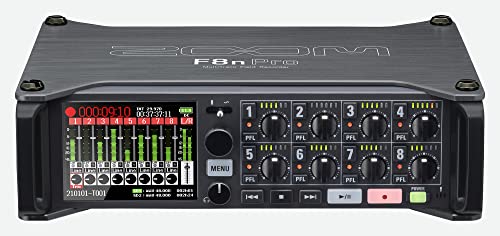
- 8 inputs and 10 tracks for production audio
- 32-bit float with dual AD converters
- Dual SD slots and accurate timecode
Best For: Professional film crews needing advanced multitrack recording and reliable external mic inputs
Portable High-Fidelity Recorder
PHILIPS DVT7500 with XLR/Line-In

- XLR and line-in connectors for external sources
- 24-bit/96kHz recording for high fidelity
- Compact body with rechargeable battery
Best For: Portable interviews, lectures, and external source recording
Compact Modular Recorder
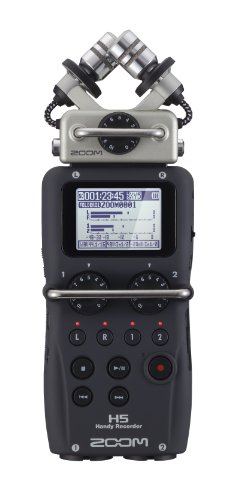
- Two XLR/TRS combo inputs with phantom power
- Interchangeable capsules for flexible capture
- Four-track recording plus USB interface mode
Best For: Filmmakers and musicians needing portable external mic input flexibility
Camera-Mount Production Recorder
TASCAM DR-70D for DSLR Shooters
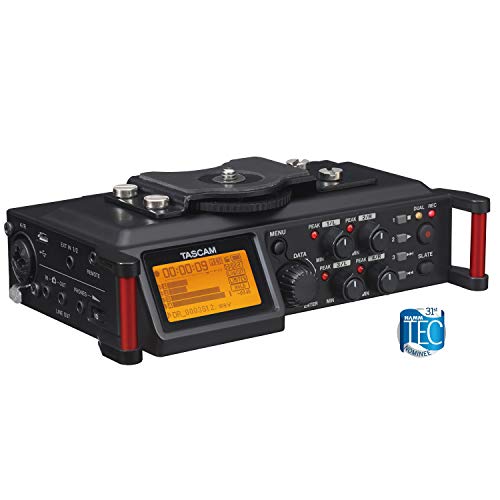
- Four balanced XLR mic inputs with phantom power
- Camera-mountable compact design
- Dual recording mode for safety copies
Best For: DSLR shooters and indie filmmakers needing camera-friendly external mic inputs
Pro-Grade 32-Bit Float Pick
Zoom F3 for Filmmakers & Musicians

- 32-bit float recording for wide dynamic range
- Dual locking XLR inputs for secure external mics
- Ultra-low-noise preamps for field use
Best For: Run-and-gun filmmaking and demanding field recording
Portable Handheld Value
TASCAM DR-05XP for Music, Voice & Video

- 32-bit float, 24-bit, and 16-bit recording modes
- USB-C 2-in/2-out audio interface support
- Built-in stereo mics handle loud sources
Best For: Portable handheld recording and USB-C audio interface use
Compact Dual-Input Choice
Zoom H1 XLR for Recorders & Podcasters

- Two XLR/TRS combo inputs for external sources
- 32-bit/96kHz recording for detailed capture
- OLED waveform display for easy level checks
Best For: Podcasts, interviews, and compact dual-input recording
Portable 32-Bit Float Recorder
TASCAM DR-07XP for Music and Video

- Built-in stereo mics with 3.5mm MIC/EXT IN
- 32-bit float, 24-bit, 16-bit, and MP3 recording
- USB-C audio interface for direct computer use
Best For: Lightweight handheld recording with external mic flexibility
Flexible 4-Track Recorder
Zoom H4 Essential for Creators

- Built-in stereo mics plus two XLR/TRS inputs
- 32-bit float 4-track recording for bigger projects
- USB-C recording or streaming to phone, tablet, or computer
Best For: Creators needing expandable external mic input and multi-track flexibility
Compact X/Y Recorder

- 32-bit float stereo recording with built-in X/Y mics
- USB-C mic mode for PC, Mac, iOS, and Android
- Supports WAV and AAC with up to 96 kHz sample rates
Best For: Portable stereo capture with USB microphone flexibility
Flagship Multitrack Recorder – Zoom F8n Pro for Film Sets
If you need field recorders with external microphone input for demanding film or location work, the Zoom F8n Pro is built for serious production audio. Its 8-channel, 10-track design, 32-bit float recording, and dual AD converters are aimed at capturing clean takes across a wide dynamic range, while the external I/O layout gives you plenty of flexibility on set.
Best For: Professional filmmakers and production teams needing high-end multitrack recording with redundant storage and precise timecode.
Pros:
- 8 inputs and 10 tracks for multichannel production workflows
- 32-bit float recording with dual AD converters helps avoid clipped takes
- High-quality preamps with up to 75dB gain and -127dBu EIN
- Dual SD slots support redundant recording for added safety
Cons:
- More recorder than casual users need
- Larger and heavier than compact handheld options
- Premium feature set will likely exceed basic interview setups
For teams that need dependable external mic input, strong preamps, and workflow features like timecode and redundant recording, the F8n Pro is positioned as a top-tier production recorder. It is best suited to users who value control, safety, and flexibility over simplicity.
Portable High-Fidelity Recorder – PHILIPS DVT7500 with XLR/Line-In
Among field recorders with external microphone input, the PHILIPS DVT7500 is a compact option for users who want simple portability with higher-quality inputs. It combines built-in microphones with XLR and line-in connectors, making it useful when you need to record from external instruments or sound sources without carrying a larger production recorder.
Best For: Portable recording of interviews, lectures, and external sound sources when you want XLR and line-in flexibility.
Pros:
- XLR and line-in connectors support external microphones and sources
- 24-bit/96kHz recording for higher fidelity capture
- Lightweight, compact design for easy carry
- Rechargeable battery supports longer recording sessions
Cons:
- 16GB built-in storage is modest compared with card-based field recorders
- Less focused on cinema-style multitrack workflows
- Smaller feature set than dedicated pro location recorders
The DVT7500 makes sense if you want external input support in a very portable recorder rather than a full production hub. It is a practical pick for straightforward capture jobs where size and ease of use matter.
Compact Modular Recorder – Zoom H5 with Swap-In Capsule
If you’re comparing field recorders with external microphone input for video or run-and-gun work, the Zoom H5 offers a very flexible middle ground. It includes interchangeable input capsules plus two XLR/TRS combo inputs, so you can switch between a supplied X/Y mic setup and wired external microphones as needed.
Best For: Filmmakers and musicians who want interchangeable capsules and two external mic inputs in a portable recorder.
Pros:
- Two XLR/TRS combo inputs with phantom power support
- Interchangeable capsules add useful recording flexibility
- Four-track simultaneous recording for layered capture
- USB audio interface mode adds workflow versatility
Cons:
- Limited to SD/SDHC cards up to 32GB
- Battery-based operation may not suit long production days
- Less expansive than larger multitrack field recorders
The H5 is a strong choice when you want external mic inputs without moving up to a much larger recorder. Its modular design makes it especially appealing for users who alternate between handheld capture and simple on-camera or interface use.
Camera-Mount Production Recorder – TASCAM DR-70D for DSLR Shooters
For buyers looking at field recorders with external microphone input, the TASCAM DR-70D is tailored to camera-based production. It packs four balanced XLR mic inputs with phantom power into a compact body that can mount above or below a camera, while the built-in microphones provide a simple backup option on set.
Best For: DSLR and indie video shooters who want four XLR inputs in a camera-mountable recorder.
Pros:
- Four balanced XLR mic inputs with phantom power
- Compact design mounts above or below a camera
- Built-in microphones add on-set convenience
- Dual recording mode creates a safety copy at a lower level
Cons:
- Uses a 90-day labor warranty, shorter than some alternatives
- Not as feature-rich as higher-end multitrack production recorders
- Form factor is camera-oriented rather than truly pocketable
The DR-70D stands out when your recorder needs to integrate directly with a camera rig and still handle multiple external microphones. It is a practical production tool for users who want simple mounting, dependable inputs, and built-in safety recording.
Pro-Grade 32-Bit Float Pick – Zoom F3 for Filmmakers & Musicians
If you need field recorders with external microphone input that can handle unpredictable levels, the Zoom F3 is built for exactly that kind of work. Its 32-bit float recording and dual locking XLR inputs make it a practical choice for filmmakers and recordists who want clean capture without constant level adjustments.
Best For: Run-and-gun filmmakers, location recordists, and users working with secure XLR mic setups.
Pros:
- 32-bit float recording helps capture quiet dialogue and sudden peaks without stopping to reset levels.
- Dual locking XLR inputs keep external microphones connected securely on rigs and in the field.
- Ultra-low-noise preamps are designed for cleaner audio in unpredictable environments.
- Flexible power options support long days on set or on location.
Cons:
- Built around XLR connectivity, so it is less suited to simple plug-and-go use.
- No built-in mic convenience is highlighted in the notes, so it is more of a rigging tool than a casual handheld.
The F3 stands out if your priority is dependable external mic capture with minimal fuss in demanding situations. It is a compact, professional recorder aimed at users who value secure connections and consistent audio over extra consumer features.
Portable Handheld Value – TASCAM DR-05XP for Music, Voice & Video
For buyers comparing field recorders with external microphone input, the TASCAM DR-05XP is a straightforward portable option that also works as a USB-C audio interface. It focuses on easy handheld recording with built-in omnidirectional mics, flexible bit depths, and a practical setup for music, voice, and audio-for-video work.
Best For: Handheld recording, voice capture, and creators who want recorder plus USB-C interface functionality.
Pros:
- Supports 32-bit float, 24-bit, and 16-bit recording for flexible capture needs.
- Built-in omnidirectional condenser microphones are rated for loud sources up to 125 dB SPL.
- USB-C 2-in/2-out interface mode lets you record directly to a computer.
- Up to 17.5 hours of battery operation offers solid portability.
Cons:
- Uses built-in microphones, so external input flexibility is not the main focus in the supplied notes.
- SD card and batteries are not included.
The DR-05XP is a practical pick if you want a compact recorder that can move between standalone recording and computer-based workflows. It is especially appealing for users who value simplicity, stereo capture, and USB-C convenience.
Compact Dual-Input Choice – Zoom H1 XLR for Recorders & Podcasters
If you are shopping field recorders with external microphone input for interviews, podcasts, or simple recording setups, the Zoom H1 XLR gives you a compact way to connect real-world sources. Its two XLR/TRS combo inputs, 32-bit/96kHz capture, and 3.5mm stereo input make it flexible without getting overly complicated.
Best For: Podcasters, interviewers, and creators who want two external inputs plus simple monitoring.
Pros:
- Two XLR/TRS combo inputs support microphones, instruments, and other external sources.
- 32-bit/96kHz recording is aimed at clean, detailed capture.
- OLED waveform display helps you monitor levels at a glance.
- 3.5mm stereo input and headphone output add extra connection flexibility.
Cons:
- The screen is small, so it is more about fast monitoring than deep on-device control.
- Battery life is rated at about 10 hours, which is shorter than some portable recorders.
The H1 XLR is a good middle-ground recorder when you want external mic inputs without moving up to a larger, more complex rig. It offers a useful mix of compact size, dual inputs, and easy level checking for everyday production work.
Portable 32-Bit Float Recorder – TASCAM DR-07XP for Music and Video
If you want field recorders with external microphone input that are simple to carry but still flexible, the TASCAM DR-07XP is built for practical everyday recording. It combines built-in stereo mics with a 3.5mm MIC/EXT IN jack that can provide plug-in power, so you can use an external mic when your setup calls for it. The 32-bit float and USB-C audio interface support make it a strong option for music, voice, video work, and podcasting.
Best For: Creators who want a lightweight handheld recorder with built-in mics and a 3.5mm external mic input.
Pros:
- Records in 32-bit float, 24-bit, 16-bit, and MP3 formats
- Built-in AB/XY condenser mics handle sources up to 125 dB SPL
- 3.5mm MIC/EXT IN jack supports external microphones with plug-in power
- Works as a 2-in/2-out USB-C audio interface
Cons:
- Memory card is not included
- Uses 2 AA batteries, which are sold separately
- External mic connection is limited to a 3.5mm stereo input, not XLR
Overall, the DR-07XP is a versatile grab-and-go recorder if you need dependable built-in stereo capture plus the option to add an external mic through a simple 3.5mm input. It fits users who value portability, long battery life, and direct-to-computer recording over more advanced multi-input rigs.
Flexible 4-Track Recorder – Zoom H4 Essential for Creators
The Zoom H4 Essential stands out among field recorders with external microphone input because it gives you built-in stereo mics plus two XLR/TRS inputs for adding mics or instruments. That makes it a practical choice for interviews, podcasts, video audio, live performances, and field recording when you need more than a basic handheld recorder. USB-C recording to a phone, tablet, or computer adds another layer of flexibility for creators.
Best For: Musicians, podcasters, and filmmakers who need built-in mics and two XLR/TRS inputs.
Pros:
- 4-track recorder with 32-bit float support
- Two XLR/TRS inputs for external mics, instruments, or mixer feeds
- Built-in stereo mics for quick recording without extra gear
- USB-C connection supports recording or streaming to devices
Cons:
- Uses 2 AA batteries
- No XLR cables or external microphones are included in the notes
- Digital recording time is listed at 10 hours
For users who want a recorder that can scale from simple stereo capture to fuller input setups, the H4 Essential is the most expandable option in this group. The combination of built-in mics, dual XLR/TRS inputs, and guided menus makes it especially appealing for creators who want more routing options without a steep learning curve.
Compact X/Y Recorder – Xvive XV1-R for Field Capture
If you’re comparing field recorders with external microphone input, the Xvive XV1-R is worth a look for its compact design and 32-bit float workflow. It uses built-in X/Y microphones for clean stereo capture and adds USB-C microphone functionality for PC, Mac, iOS, and Android use. While it does not offer a dedicated analog mic input in the supplied notes, it still covers a lot of practical recording needs for musicians, podcasters, and filmmakers who want a portable recorder with simple file handling.
Best For: Portable stereo recording when you want 32-bit float capture and USB microphone mode.
Pros:
- 32-bit float recording helps avoid gain-setting issues
- Built-in X/Y mics capture up to 130 dB SPL
- Supports WAV and AAC recording with up to 96 kHz sample rates
- USB-C microphone mode works with PC, Mac, iOS, and Android
Cons:
- No dedicated external microphone input is listed in the supplied notes
- No headphone jack
- Maximum recording time is listed at 12 hours
The XV1-R is best viewed as a compact stereo recorder with strong digital flexibility rather than a wired-input expansion device. If your priority is easy handheld capture, 32-bit float audio, and USB mic use across devices, it offers a focused feature set in a small package.
How We Picked the Best Field Recorders with External Microphone Input
We focused on recorder models that offer practical mic connectivity, strong audio specs, and formats suited to real-world production. Priority went to units with external input options, usable gain control, portable builds, and features that matter on location such as 32-bit float recording, limiters, or onboard mics for backup.
Quick Comparison
Some Field Recorders with External Microphone Input are built for full production rigs, while others are better for lightweight run-and-gun work. Multichannel units like the Zoom F8n Pro and TASCAM DR-70D suit crews that need more routing and headroom, while compact options such as the Zoom F3, H1 XLR, and handheld TASCAM models are easier to carry and faster to deploy.
Key Buying Factors for Field Recorders with External Microphone Input
Input Type and Count
Check whether you need XLR, XLR/TRS combo, or a dedicated mic input. If you record interviews or stereo ambience, one or two inputs may be enough. For larger shoots or multi-person setups, more channels provide much better flexibility.
Power, Levels, and Safety Features
Look for 32-bit float recording if you want more protection against clipping, especially when recording unpredictable voices or live performances. If your workflow relies on traditional levels, built-in limiters, pad options, and high-pass filters can still be valuable.
Portability and Workflow
Handheld recorders are best when you need fast setup and mobility. Larger field recorders often offer stronger I/O and monitoring options, but they may require more bag space, batteries, and accessories. USB-C audio interface support is also useful if you want one device for field and desktop use.
Who Should Buy Which Field Recorders with External Microphone Input?
If you need a serious production recorder for film work, choose a multichannel model with robust input options and monitoring. If you want a simple, travel-friendly recorder for voice, interviews, or ambient sound, a compact handheld or stereo recorder is usually the better fit. Creators who frequently connect an external mic should prioritize clean preamps, easy gain access, and a layout that matches how they actually work on set.
For most buyers, the best choice comes down to matching input needs to the size of the project. If that balance is right, a good recorder will save time, reduce noise issues, and make post-production much easier.