Wireless vertical mice can help reduce the wrist rotation required by conventional designs while keeping your desk free of cable clutter. The right model depends on hand size, connection preferences, button layout, and how much you value portability or premium features.
We compared 10 wireless vertical mice across ergonomics, connectivity, DPI adjustment, power options, and everyday usability to help you find a comfortable fit for work, study, and extended computer sessions.
Best 10 Wireless Vertical Mice Picks for 2026
Best Multi-Device Value
TECKNET 3-Device Vertical Mouse

- Connects to three devices
- Six DPI settings up to 4800
- Quiet primary clicks
Best For: Right-handed multi-device workstations
Best for Small to Medium Hands
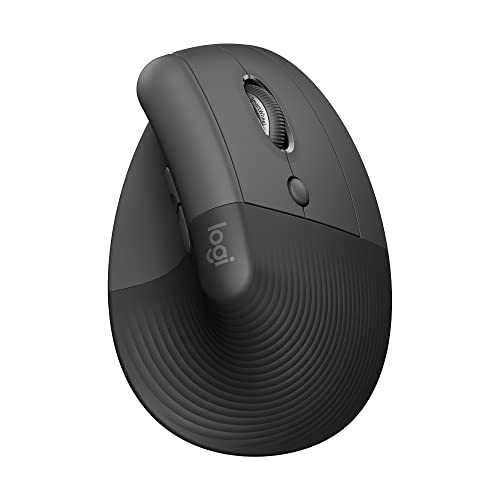
- 57-degree ergonomic design
- Quiet clicks and SmartWheel
- Bluetooth and Logi Bolt connectivity
Best For: Small- to medium-handed right-handed users
Best Budget Pick
Amazon Basics 6-Button Vertical Mouse

- Plug-and-play 2.4GHz wireless
- Four adjustable DPI levels
- Sized for medium to large hands
Best For: Simple right-handed desktop use
Best Premium Ergonomics

- 57-degree handshake-style angle
- 4000 DPI precision sensor
- Textured grip and cursor-speed switch
Best For: Right-handed users prioritizing ergonomic precision
Reliable Everyday Pick

- Neutral-grip ergonomic design
- Three DPI settings up to 1600
- USB receiver with browser buttons
Best For: Right-handed office and browsing use
Most Versatile
Uineer Tri-Mode Vertical Mouse

- Bluetooth and 2.4GHz connectivity
- Three-device switching
- Rechargeable, silent, RGB-equipped design
Best For: Quiet multi-device workstations
Best Rechargeable Value

- Long-lasting 600mAh rechargeable battery
- Plug-and-play 2.4GHz receiver
- Designed for medium or large hands
Best For: Right-handed users wanting simple, long-lasting comfort
Versatile Comfort Pick
Uineer 3-Device Vertical Mouse

- Bluetooth and 2.4G support for up to three devices
- Four DPI settings from 800 to 2400
- Seven-color lighting and low-battery alert
Best For: Small-to-medium right hands and multi-device workstations
Lightweight Value Pick

- Simple 2.4G plug-and-play USB connection
- Large right-handed shape with rubber grip
- Lightweight 80-gram design with three DPI levels
Best For: Basic office and home use with a USB-equipped computer
Rechargeable Quiet Pick

- Bluetooth and 2.4G modes with two-device switching
- USB-C rechargeable battery
- Six silent buttons for quieter work
Best For: Quiet offices, shared spaces, and users avoiding disposable batteries
Best Multi-Device Value – TECKNET 3-Device Vertical Mouse
The TECKNET is a practical choice among wireless vertical mice if you need flexible connectivity and adjustable sensitivity. It pairs with up to three devices through Bluetooth and 2.4GHz USB-A, while its right-handed vertical shape is designed for a more natural wrist position.
Best For: Right-handed users who switch between multiple computers and want quiet primary clicks.
Pros:
- Supports Bluetooth connections to two devices plus a 2.4GHz USB-A connection.
- Offers six DPI settings from 800 to 4800 for adjustable cursor control.
- Provides nearly silent left- and right-clicking and includes a 36-month warranty for registered users.
Cons:
- Requires two AAA batteries, which are not included.
- Designed for right-handed use only.
- Side buttons are not compatible with macOS, and other function buttons are not silent.
With three-device switching, broad operating-system compatibility, and a useful range of DPI settings, this model is well suited to busy workstations. Its battery-powered design and right-hand-only layout are the main limitations to consider.
Best for Small to Medium Hands – Logitech Lift Vertical Mouse
The Logitech Lift is a polished option among wireless vertical mice for small to medium right hands. Its 57-degree design, softly textured grip, thumb rest, and quiet clicks are aimed at comfortable everyday use, with Bluetooth Low Energy and Logi Bolt providing connection flexibility.
Best For: Small- to medium-handed right-handed users seeking an ergonomic office mouse with long battery life.
Pros:
- 57-degree vertical shape encourages a more natural forearm posture.
- Includes a textured grip, thumb rest, customizable buttons, and a SmartWheel.
- Works with Windows, macOS, iPadOS, Chrome OS, and Linux through Bluetooth Low Energy or Logi Bolt.
Cons:
- Its fit is specifically intended for small to medium right hands.
- Includes a one-year manufacturer warranty.
The Lift balances ergonomic shaping with quiet operation and broad device support. Its stated hand-size fit makes it less suitable for users with large hands, but it is a strong everyday choice for compatible right-handed users.
Best Budget Pick – Amazon Basics 6-Button Vertical Mouse
The Amazon Basics 6-Button Vertical Wireless Mouse is a straightforward option for shoppers comparing affordable wireless vertical mice. It uses a 2.4GHz USB-A receiver, offers four adjustable DPI levels, and is shaped for right-handed users with medium to large palms.
Best For: Right-handed desktop and laptop users with medium to large hands who want simple plug-and-play wireless control.
Pros:
- Plug-and-play 2.4GHz wireless connection with a stated 33-foot range.
- Four DPI settings—1000, 1200, 1600, and 2400—allow sensitivity adjustment.
- Six-button layout and included AAA batteries provide useful out-of-box functionality.
Cons:
- Requires a USB-A port and does not list Bluetooth connectivity.
- Designed for right-handed medium to large palms.
- Battery life is approximately four months.
This model keeps the feature set practical and uncomplicated, making it a sensible fit for standard Windows computers. Its USB-A-only connection and larger hand-size recommendation should be checked before buying.
Best Premium Ergonomics – Logitech MX Vertical Mouse
The Logitech MX Vertical is designed for shoppers prioritizing ergonomic form and precise tracking among wireless vertical mice. Its 57-degree angle, handshake position, textured surface, and 4000 DPI sensor are paired with a cursor-speed switch for quick sensitivity changes.
Best For: Right-handed users who want a premium ergonomic shape and high-precision tracking for Windows, macOS, or compatible platforms.
Pros:
- 57-degree vertical angle and thumb rest are designed to reduce wrist pressure.
- 4000 DPI sensor and cursor-speed switch support precise, adjustable control.
- Textured rubber surface provides a secure grip and the included receiver supports wireless use.
Cons:
- Has four buttons rather than six.
- Battery life is listed at approximately four months.
- Designed for right-handed use.
The MX Vertical focuses on posture-oriented design and precise movement rather than extensive button customization. It is a compelling premium option for users who value its ergonomic angle and broad operating-system compatibility.
Reliable Everyday Pick – Anker 2.4G Vertical Mouse
The Anker 2.4G Wireless Ergonomic Mouse is a straightforward choice among wireless vertical mice for right-handed users who want a neutral handshake-style grip without Bluetooth pairing. Its USB receiver, adjustable tracking, and browser navigation buttons suit everyday office and home computing.
Best For: Right-handed users seeking a simple, battery-powered vertical mouse for browsing and general productivity.
Pros:
- Ergonomic vertical shape encourages a neutral wrist and arm position.
- Three DPI settings—800, 1200, and 1600—support adjustable cursor sensitivity.
- Includes forward and back buttons, a USB receiver, and an 18-month warranty.
- Power-saving mode activates after eight minutes of inactivity.
Cons:
- Uses 2.4GHz USB connectivity rather than Bluetooth.
- Requires two AAA batteries, which are not included.
- Click sounds are not silent.
This is a practical, no-frills option if you have a free USB-A port and prefer replaceable batteries. Choose another model if quiet clicking, rechargeable power, or multi-device Bluetooth support is important.
Most Versatile – Uineer Tri-Mode Vertical Mouse
The Uineer Ergonomic Wireless Vertical Mouse stands out among wireless vertical mice with Bluetooth 5.0, Bluetooth 4.0, and 2.4GHz USB connectivity. It can switch among three devices and adds a rechargeable battery, silent buttons, adjustable sensitivity, and a side scroll wheel for flexible daily use.
Best For: Multi-device users who want quiet operation, rechargeable power, and both Bluetooth and USB connectivity.
Pros:
- Tri-mode wireless support works with Bluetooth-enabled devices and the included USB-A receiver.
- Switches among three devices for work and personal setups.
- Rechargeable 500mAh battery can last for weeks with typical use.
- Includes silent buttons, forward/back controls, four DPI levels, and a side scroll wheel.
Cons:
- Users new to vertical mice may need one to two weeks to adjust.
- RGB lighting may not appeal to users seeking a strictly understated design.
- Charging takes about two hours.
With its broad connectivity and quiet controls, the Uineer is the most feature-rich choice here for shared spaces and multiple devices. Its larger feature set is worthwhile if you will use device switching and rechargeable operation.
Best Rechargeable Value – Lekvey Comfort Grip Mouse
The Lekvey Ergonomic Mouse is a rechargeable USB-receiver option among wireless vertical mice, built around a right-handed comfort grip and a tall design recommended for medium or large hands. Its simple plug-and-play setup avoids Bluetooth pairing while providing browser navigation buttons and adjustable DPI.
Best For: Right-handed users with medium or large hands who want long battery life and a simple USB setup.
Pros:
- Vertical ergonomic shape promotes a neutral wrist and arm position.
- Built-in 600mAh battery can last about three to four weeks with regular daily use.
- Plug-and-play 2.4GHz receiver requires no Bluetooth pairing or drivers.
- Includes forward/back buttons, three DPI settings, USB-C charging, and a 36-month warranty.
Cons:
- Designed for right-handed use and recommended for medium or large hands.
- Uses a USB receiver rather than Bluetooth.
- Buttons are not programmable.
The Lekvey offers a strong balance of comfort, battery endurance, and easy setup. It is especially compelling for users who want rechargeable operation but do not need Bluetooth or customizable controls.
Versatile Comfort Pick – Uineer 3-Device Vertical Mouse
For shoppers comparing wireless vertical mice, the Uineer stands out with dual Bluetooth and 2.4G connectivity, support for up to three devices, and a handshake-style grip. Its adjustable sensitivity and ambient lighting add flexibility for everyday office work and casual use.
Best For: Right-handed users with small-to-medium hands who need multi-device connectivity.
Pros:
- Connects with up to three devices using Bluetooth or 2.4G wireless.
- Four DPI settings from 800 to 2400 support different tasks and surfaces.
- Power-saving mode and a low-battery LED reminder help manage battery use.
- Includes seven-color ambient lighting and a 24-month replacement warranty.
Cons:
- Designed for small-to-medium hands, so larger users should measure first.
- Side buttons do not function with macOS.
- Uses a replaceable C battery rather than a rechargeable battery.
The Uineer is a feature-rich option for users moving between several devices. Its hand-size guidance and macOS side-button limitation are important considerations, but the three-device support and wide DPI range make it practical for mixed work setups.
Lightweight Value Pick – memzuoix Large Vertical Mouse
The memzuoix is a straightforward choice among wireless vertical mice, using a 2.4G USB receiver for plug-and-play setup. Its large right-handed shape, rubber grip, and three DPI settings are aimed at comfortable daily use with a laptop or desktop.
Best For: Right-handed users who prefer a lightweight, large-size mouse for basic office and home computing.
Pros:
- Vertical design encourages a more neutral handshake wrist position.
- Three adjustable DPI levels—800, 1200, and 1600—provide basic tracking flexibility.
- Textured rubber grip and matte coating support comfortable extended use.
- Lightweight 80-gram design is convenient for carrying.
Cons:
- Requires two AAA batteries, which are not included.
- Forward and back buttons are not compatible with macOS.
- Uses 2.4G USB connectivity rather than Bluetooth.
This memzuoix model keeps the feature set simple and portable. It may suit users who want an affordable vertical shape and tactile grip, provided they have an available USB port and do not need Bluetooth or macOS side-button support.
Rechargeable Quiet Pick – JYKEYMOUT Dual-Mode Mouse
The JYKEYMOUT combines Bluetooth and 2.4G connectivity in a rechargeable vertical design, making it one of the more flexible wireless vertical mice for laptops, tablets, and desktops. Six silent buttons and device switching add convenience for shared spaces and two-device setups.
Best For: Right-handed users who want quiet clicking, rechargeable power, and Bluetooth/USB flexibility.
Pros:
- Dual-mode Bluetooth and 2.4G wireless connectivity works with a variety of devices.
- Can connect to two devices simultaneously and switch between them.
- Rechargeable battery charges through USB-C and may last about one to three months per charge.
- Six silent buttons support quieter browsing and everyday work.
Cons:
- Back and forward buttons are not compatible with Mac OS.
- Only three DPI levels are available: 1000, 1200, and 1600.
- Requires care with charging; the supplied notes advise against fast adapters and prolonged charging.
For users prioritizing quiet operation and fewer battery replacements, this JYKEYMOUT model is a compelling fit. Its two-device switching is useful, though users seeking three-device support or more sensitivity settings may prefer another option.
How We Picked the Best Wireless Vertical Mice
We focused on the features that most affect daily use: the angle and shape of the grip, compatibility with different computers, wireless range, sensitivity controls, button placement, power design, and overall practicality. We also considered whether each mouse is better suited to small, medium, or large hands and whether it is designed primarily for right-handed users.
Models with Bluetooth and 2.4GHz support earned attention for flexibility, while multi-device options are useful for switching between a laptop, desktop, and tablet. Rechargeable batteries can reduce disposable-battery waste, but replaceable batteries may be more convenient for uninterrupted use.
Quick Comparison of These Wireless Vertical Mice
- Best for multi-device flexibility: Look for Bluetooth plus 2.4GHz connectivity and dedicated device switching.
- Best for premium ergonomics: Prioritize a well-contoured thumb rest, stable base, and natural handshake angle.
- Best for adjustability: Choose a mouse with several DPI settings so you can balance precision and cursor speed.
- Best for value: Basic 2.4GHz models can provide comfortable vertical support without premium pricing.
- Best for quiet workspaces: Check for silent-click claims if you work near others or record audio.
Key Buying Factors for Wireless Vertical Mice
Grip, Size, and Handedness
A vertical mouse should let your hand rest naturally rather than forcing your wrist to flatten against the desk. Check the recommended palm size and confirm whether the design is right-handed. A mouse that is too small can crowd your fingers, while one that is too large may reduce control.
Wireless Connection
USB receivers usually offer straightforward plug-and-play operation, while Bluetooth can free a USB port and work well with modern laptops. Dual-mode or tri-mode models are the most flexible, especially if you switch between multiple devices. Confirm your computer supports the connection type you plan to use.
DPI, Buttons, and Tracking
Adjustable DPI lets you change cursor movement for detailed editing, general productivity, or large displays. Extra buttons can speed up browser navigation and shortcuts, but they should be easy to reach without shifting your grip. Optical tracking is suitable for most desks, though a clean, consistent surface still helps.
Battery and Portability
Rechargeable designs are convenient for regular use, provided you remember to charge them. Replaceable-battery models can be preferable for travel or shared workstations. Consider receiver storage, sleep behavior, and the mouse’s size if you carry it with a laptop.
Who Should Buy Which Wireless Vertical Mice?
Choose a premium Logitech model if refined ergonomics, reliable construction, and polished software support matter most. Select a multi-device TECKNET or Uineer option if you regularly move between computers. Amazon Basics, Anker, memzuoix, and similar straightforward 2.4GHz models make sense for shoppers who want an affordable introduction to the vertical shape. Rechargeable Lekvey or JYKEYMOUT designs suit buyers who prefer fewer battery replacements, while users with smaller or larger hands should give the product dimensions and fit guidance priority over feature count.